

5 Costco Items Customers Return Most Frequently
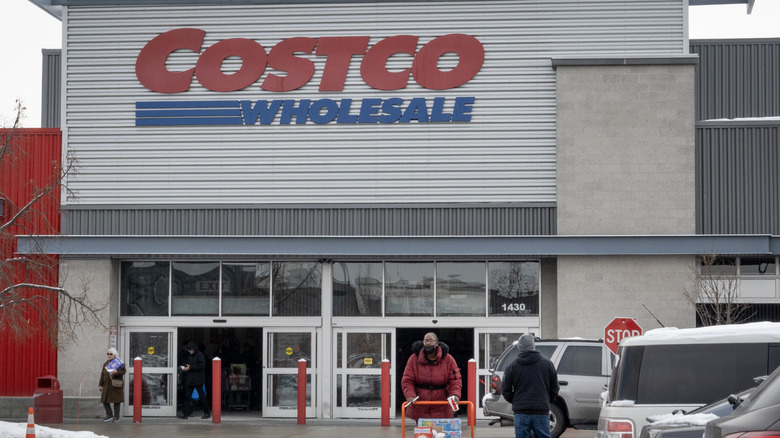
If you've ever bought an item at the store and then gotten home and asked yourself, "Why did I buy this again?" — that's buyer's remorse. In a perfect world and under simple circumstances, you'd be able to return the item and get a refund. But many retailers have found that processing returns into refunds is not as cost effective for them as it is for you. According to a report from the National Retailers Federation (NRF), annual returns cost retailers an estimated $890 billion in 2024 (16.9% of annual sales).
While many retail stores have tightened their return policies, Costco kept its risk-free 100% satisfaction guarantee return policy. With lenient terms, Costco built a reputation for hassle-free returns, even to the extent of becoming the subject of comedic social media posts and Reddit discussion threads.
Many members take advantage of the return policy, even to wild extents, yet Costco's sales grow year after year. The company currently holds its spot as the No. 3 retailer on NRF's 2025 Top 100 list, with net sales of $269.9 billion for the 2025 fiscal year. Those figures account for the cost of processing returns and refunds. In a Quora discussion post, one former employee estimated that one branch gave out $20,000 in refunds on $750,000 in gross sales. And of all the items sold off the shelves at Costco warehouses, coffee machines, air fryers, fresh groceries, portable air conditioners, and small kitchen appliances get returned the most.
Coffee machines (especially the Keurig brand)
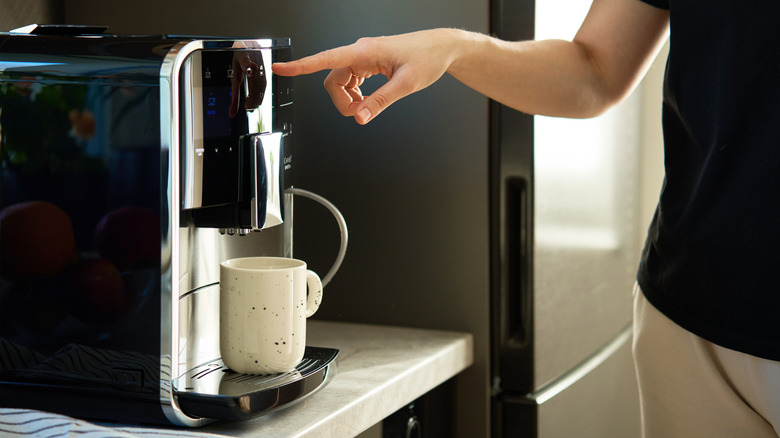
The idea of making store-quality coffee drinks at the touch of a button is a big part of the appeal of buying a home coffee machine. Some people figure that buying a home coffee machine is cheaper than buying a drink at Starbucks every day, since the machine pays for itself in the long run. But these machines are only reliable if they're maintained and cleaned frequently — something many consumers likely don't realize at the time of purchase. At Costco, employees single out the Keurig coffee machines as often returned, with shoppers claiming that they 'stopped working.' Of course, it's also possible that some consumers find that they struggle (or don't have the time to) recreate their favorite Starbucks beverages and return the machines to get their money back.
The Keurig K-Supreme Plus on a Costco Same-Day delivery page is listed at $112.97. Assuming you bought the machine today and return it in three weeks, Costco's return policy says you get your full purchase price back at the return counter. Whether Costco recovers the value of the coffee machine depends on the condition it's in when returned, and whether they can put it back on the shelf at full price or at a discount. If the packaging is opened, it can't go back on the shelf, but it may be sold at auction to recover some of the base costs.
Air fryers
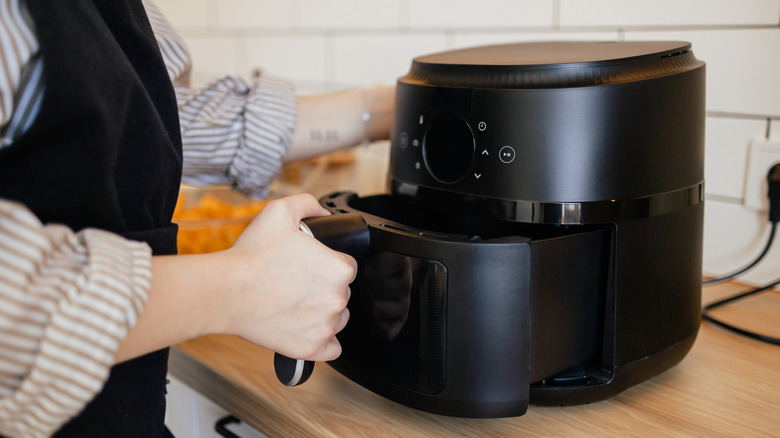
Air fryers have been around since 2010 and started gaining popularity in 2015. A lot of that was thanks to marketing strategies that positioned these kitchen devices as a must-have, capable of cutting cooking time by 50% and making fried foods healthier. But in recent years, the cloud has cleared, with the search term "air fryer" declining in popularity by more than half between late 2020 and December 2025.
That drop in excitement manifests in how often air fryers are returned at Costco, where the price of the appliance ranges from $60 to $250. At the time of the purchase, the average buyer thinks that the appliance will completely revolutionize how they make meals. But for people with fully furnished kitchens (oven, toaster, and microwave), it's just another appliance that swallows precious countertop space.
Still, Costco's return policy lets you undo an impulsive air fryer purchase, as long as you return it within the 90-day return window that applies to electronics and kitchen appliances.
Fresh produce and dairy products
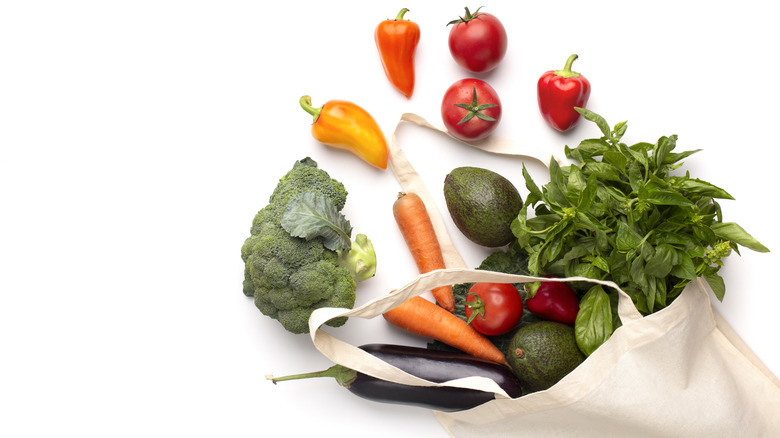
One surprising category of items often returned at Costco is food. The retailer's commitment to guaranteeing "satisfaction on every product sold" means it offers refunds for every item sold, including perishable food items such as fruits, vegetables, and dairy products. The reason fresh produce falls into the cycle of frequent returns is the same as Costco's business model: bulk sales. The retailer's business model is framed around wholesale; this means the stores are stocking large amounts of these perishable items, and people are not buying them fast enough.
The most common reason for returned fresh produce is that the item is either too close to its expiry date or has spoiled faster than the date on the packaging. Either way, returned food items are a total loss for the retailer because they can't go back on the shelf, regardless of whether the packaging has been opened. Similarly, dairy products are sometimes returned with customers citing souring milk and yogurt and moldy cheese. Some of these returns come after a recall, such as a major recent recall of moldy Greek yogurt packs from Kirkland, Costco's private label brand.
While the huge fruit and vegetable bins and gallons of dairy products offer great prices, buying them at Costco may cost you more, especially if you or your household can't consume them fast enough.
Portable air conditioners
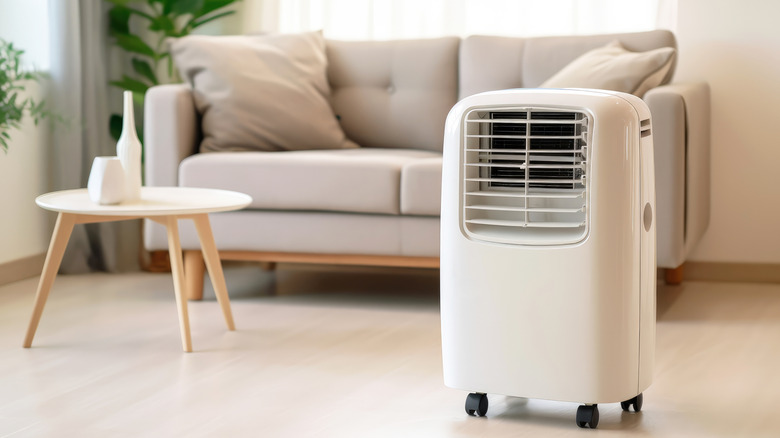
Some items on the shelves at Costco see a seasonal surge in sales, and air conditioners are among them. But employees also see these being frequently returned as the next season begins. When the summer heat becomes unbearable, many shoppers walk into Costco stores looking for a quick solution, and many walk out with a portable air conditioner. For the rest of the summer months after the purchase, shoppers are content with their AC and get the most use out of it.
After the summer heat passes and temperatures fall, all the issues buyers might have had with the unit come back to light, and getting a couple hundred dollars back seems tempting. Despite a seasonal uptick in returns, the exact reason for requesting a refund can vary, with some people choosing the wrong size, underestimating just how expensive it is to keep it running, or experiencing failures. Portable ACs use more energy than window AC units, and cost on average $52 more per season when run for 8 hours a day for 3 months, according to Business Insider. On top of that, the average portable AC unit is more trouble than it's worth; they are bigger, noisier, and take up more space than a window unit.
That initial rush to solve the heat issue leads to these impulse buys, but once the heat clears, shoppers get buyer's remorse and rush to return the units before the 90-day window closes.
Small kitchen appliances
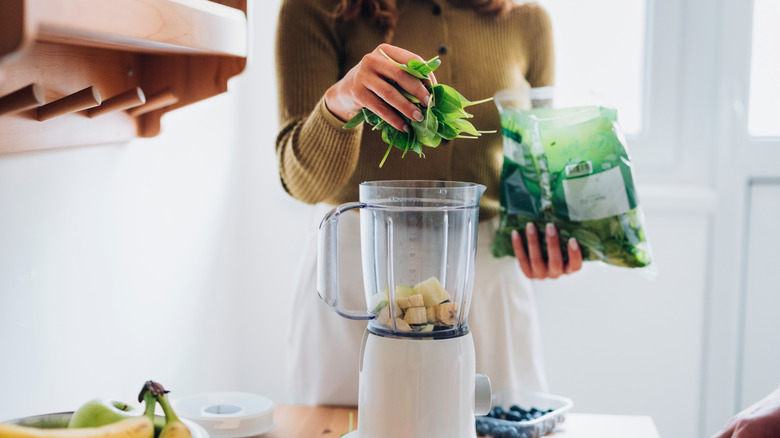
Another category of items that end up back at the return counter are small kitchen appliances. Here, the reasoning is simple: Smaller kitchen gadgets like blenders are often purpose-specific, meaning they have either a single function or a limited range of functionality. Sometimes, they develop flaws quickly. Either way, shoppers purchase these items as quick kitchen upgrades, and when they don't perform as well as they should, that's more than enough reason to send them back.
These devices can also be a nuisance at times. Blenders that are too loud, ice machines that leak, and electric can openers that can't open bigger cans fit the bill of those appliances that get sent back. In one Reddit thread, a former Costco employee named the Blendtec and NutriMix blenders among the items that were constantly returned. The issue was either with the bottom of the jar getting damaged soon after purchase or units arriving with missing attachments. Thankfully, small kitchen appliances tend to fall outside of the 90-day term limits that apply to major appliances like refrigerators.