

The Savings Strategy Financial Experts Swear By For Building Wealth

In today's economy, saving any amount of money can feel like an uphill battle, but it is possible with the right approach. Some people choose to follow the popular 50/30/20 budget rule — which can be a realistic technique for many Americans — but there are many other strategies for building wealth. For example, billionaire Warren Buffett, CEO of the holding company Berkshire Hathaway, has a different but simpler approach. Buffet has been a consistent proponent of the "pay yourself first" mentality, which encourages putting the money you earn in savings before doing anything else with it. According to GoBankingRates, financial expert Andrew Lokenauth offers similar advice, stating, "Put aside money as soon as you get paid, before you have the chance to spend it."
While it might not be the most exciting way to use a paycheck, this advice errs on the side of practicality. Much like Buffett's warning about one major investment mistake, this savings advice is designed to keep your financial goals straightforward and attainable. Instead of waiting to see how much is left over after expenses, Buffett encourages people to automatically set aside portions of their earnings in savings as soon as they get paid. Lokenauth has repeatedly expressed the importance of setting aside around 20% of your earnings in this way, but you can adjust that figure as needed. The important thing is consistency: Treating this practice as an obligation will minimize the need for the willpower to maintain it on a regular basis.
The many applications of the pay yourself first method
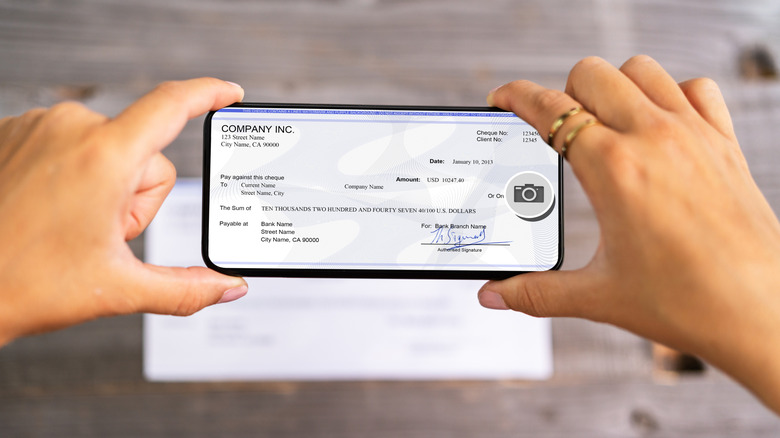
The first steps to enacting the pay yourself first strategy are identifying how large of a portion of your earnings you can feasibly set aside, then finding a method of getting that money into a savings account that works for you. One of the most direct ways to go about this is by automating, which economists say is one of the easiest ways to save. This can be done by having your employer send a certain amount or percentage of your pay to a savings account via direct deposit instead of directing all your funds to a single account.
Another advantage to this approach to savings is how flexible it can be regarding your needs as an individual. If you plan on making a major purchase for something like a home down the line, you could deposit your earnings directly into a fund you opened for that specific purpose. If you're already pretty comfortable with your asset portfolio, you could add more to your emergency fund. You could also automate funds to workplace retirement and IRA accounts and have the money instantly invested into the market so it grows over time. The aim is to treat saving how you'd treat any other expense like rent or a utility bill — the only difference is you ultimately get this money back!