

5 Popular Food Items Likely To Increase In Price In 2026

Skyrocketing grocery prices have become one of the biggest financial stressors on the everyday American consumer in recent years. Despite President Trump's campaign promise to lower grocery prices "on day one," tariffs and deteriorating foreign relations have caused even further strain for consumers throughout 2025. Although inflation data shows various essential household items have jumped in price, it's groceries that appear to be the biggest concern for many. A summer 2025 survey conducted by the Associated Press and the University of Chicago found that grocery bills had become a leading source of stress for over half of respondents, significantly exceeding stress caused by housing costs, healthcare, student debt, child care, and credit card bills.
Despite the administration suddenly rolling back tariffs on several consumer goods in November 2025 following months of mounting concerns, relief still may not be in sight for the average grocery shopper. Not only are other ongoing tariffs set to impact much of the market, but analysis indicates prices for several popular grocery items could actually increase in 2026. Some of the items affected may be surprising, but stocking up now can help you get in front of the hikes ahead.
Weather conditions may drive up the cost of olive oil
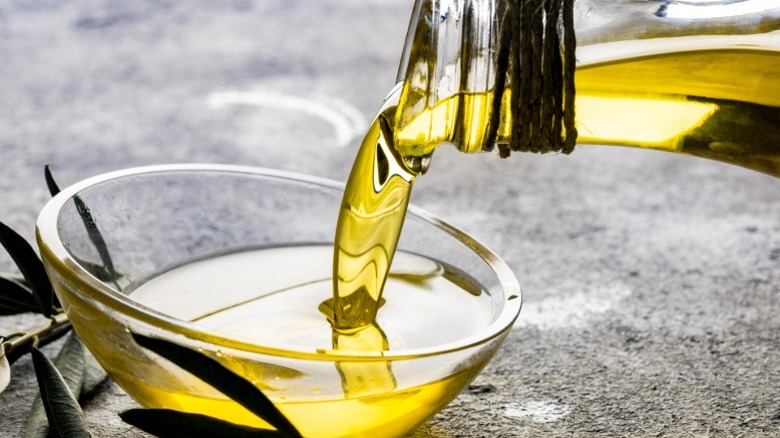
If olive oil is something you use frequently in the kitchen, you may want to stock up before prices have the chance to go up. That's because the future of olive oil in 2026 is uncertain, with fluctuating predictions from producers conflicting over how exactly prices will be affected. The current administration's 15% tariff on olive oil imports to the U.S. hasn't helped, but much of the industry's uncertainty comes down to weather conditions. According to trade publication the Olive Oil Times, extreme heat waves and lack of rainfall have negatively affected olive oil's biggest regions around the Mediterranean, and the struggles haven't just been limited to 2025. Spain's Andalusia region, for example, did see some improvements in crop quality thanks to some late rains in 2025, but the area is still struggling to recover from years-long drought. Yields are also expected to be lower through the 2025-2026 harvest season in six of the industry's leading producer nations, with an anticipated 2.65 million metric tons vs. the previous season's 2.94 million metric tons.
Even if weather conditions improve, with global demand staying strong, olive oil still isn't immune to price increases — especially for extra-virgin olive oil. Inflation-driven costs for labor, transportation, and packaging are likely to keep pressure on, as will the fact that the U.S. dollar fell in value against the euro in 2025. Until that changes, Americans will pay more for European goods.
Tariffs and climate put a strain on coffee
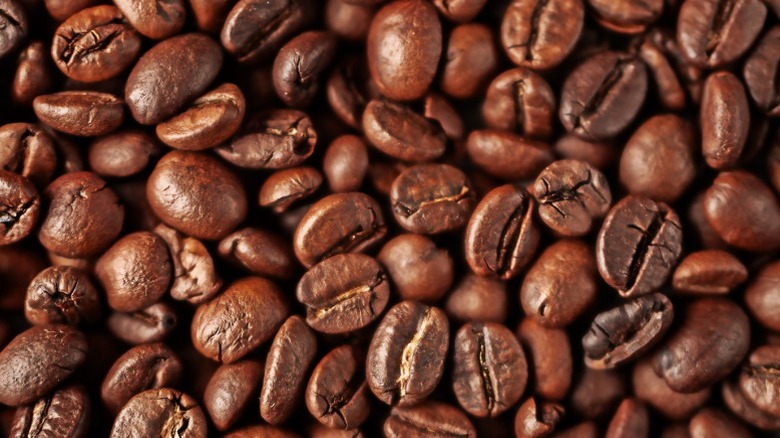
Coffee prices have seen huge cost increases recently, though this may be no surprise to those who routinely start their days with a cup of joe. Cost data (updated in October 2025) from the Federal Reserve Bank of St. Louis shows that retail prices have been rising since 2020 and jumped more than 40% in 2025 alone. Tariffs are largely to blame here. The U.S., which imports over 99% of its coffee, imposed a 10% tariff on coffee in general in early 2025 but made things even worse with hefty tariffs on its biggest suppliers.
Brazil, which supplies nearly a third of U.S. coffee beans, was subjected to a 50% tariff. Even Trump's November 2025 announcement that these tariffs would be rolled back isn't likely to result in coffee prices dropping back to pre-elevated levels in 2026. ABC News reported the rollbacks don't actually cover the U.S.'s top coffee exporter nations, including Brazil, which will still face a slightly decreased 40% tariff.
Add this to growing coffee demand in non-U.S. markets, lower than normal precipitation, and an unstable weather forecast, and 2026 coffee prices are set to be further at risk. With these factors taken into account, plus continuing tariffs for certain supplier nations, a report released in December 2025 by Helios predicts that coffee retail prices could climb an additional 12% to 18% in Q1 of 2026 alone.
Dark chocolate is a luxury import under crisis
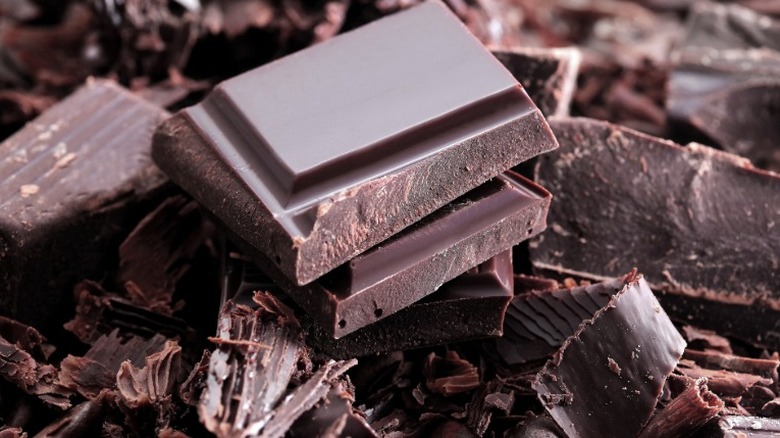
Chocolate prices skyrocketed at the start of 2025, and that was before tariffs went into effect. Just like coffee, these tariffs were reduced but still apply to some key players, according to a November 2025 Nasdaq report. Brazil, the world's fifth-largest producer of cocoa, is still reported to be subject to a 40% tariff, which will likely help keep costs elevated or climbing even higher in 2026.
Even so, the chocolate industry has a multitude of other factors at play that are driving up costs outside of tariffs. Unstable growing climates, cocoa plant diseases spreading, and supply chain issues have gotten increasingly worse in recent years and plunged the industry into crisis. The International Cocoa Organization's October 2025 report shows some optimism for a turnaround in future months, but it also shows notable fluctuation in pricing along with weakened demand and significant decreases in production since 2021. Conditions have become so unpredictable for 2026 that major chocolate brands are starting to invest billions in chocolate alternatives. Time will tell if those stick with consumers, but it's the high prices that could be here to stay in the meantime.
Bee struggles and product shortages are affecting honey
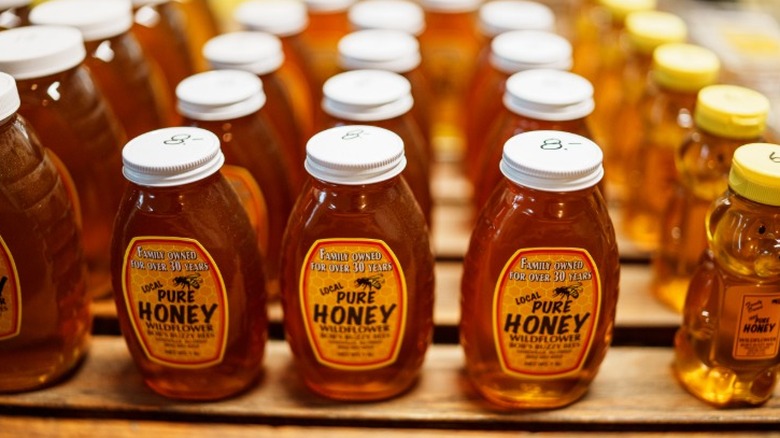
Global honey production has struggled to meet growing demand in recent years. Consumer interest in organic, traceable, and premium honeys has grown as a result of shifting priorities toward sustainability and health benefits. At the same time, bee populations have declined significantly over the past two decades around the world as a result of habitat loss, pesticide use, pathogens, climate change, and various other factors. A June 2025 report from the USDA Economic Research Service showed domestic honey production has been steadily declining since 1991, while both consumer demand and retail prices have risen considerably in that time. Given that these issues continue into 2026, there's little reason to expect honey prices to level off in the near future. It also doesn't help that supplier countries like Brazil are still subject to steep tariffs.
While stocking up before prices rise is always an option, if you have the space and are looking for a potentially rewarding new hobby, you may want to consider trying your hand at beekeeping. A single hive can produce between 30 and 60 pounds of honey once established, and you can sell the quantities you don't need for extra income. Some states also provide tax incentives for beekeeping, so that may be another reason to consider it.
Geopolitical instability is driving up rice costs
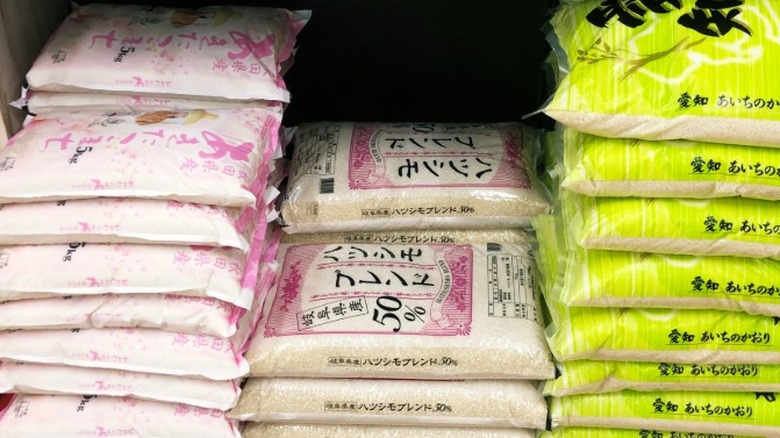
While global reports show that overall rice supply remains high, U.S. consumers may still see rice prices rise in 2026, and it's largely because of geopolitical tensions. One of the biggest culprits is tariffs. Multiple major supplier nations have been affected throughout 2025, including a 36% tariff on rice from Thailand, 26% on rice from India, and 46% on rice from Vietnam, among others. The USDA Grain: World Markets and Trade report in December 2025 likewise showed that global rice production and exports declined, which could signify further strain in 2026.
Also in December 2025, the Trump administration indicated it was considering new tariffs on farm imports from India, focusing on rice. Considering that the tariffs early in 2025 resulted in a notable 30% decrease in rice imports from Thailand alone, it seems reasonable to expect that India and other nations could follow suit in 2026. Either way, this is bad news for American consumers, who will likely face higher costs as supplies decrease or as exporters raise prices to offset tariffs. Although rice has historically been known as a budget-friendly staple, now may be the time to stock up.