

You've Been Warned: Zillow's Sneaky Update Could Cost You Thousands
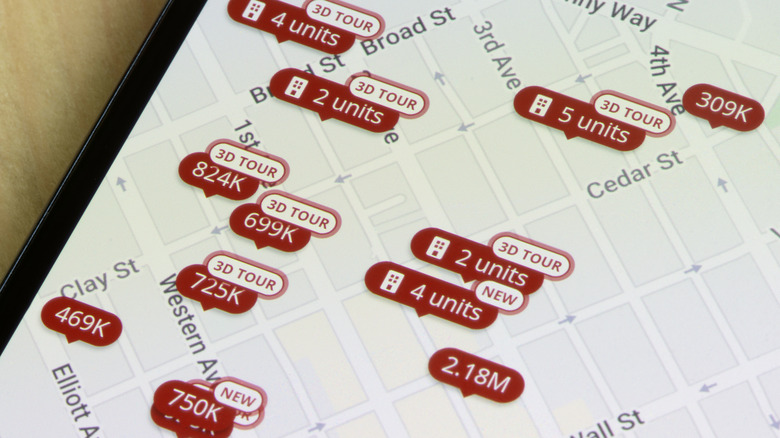
Homebuyers looking at listings on Zillow might notice a piece of data that's conspicuously missing. Back in September 2024, Zillow began sharing information from First Street, a non-profit climate risk assessment outlet, regarding the climate risks faced by listed homes on its platform. However, as of December 2025, this tool has been removed. The reason? Complaints from real estate agents and homeowners. The worry for sellers was that negative reporting on the climate risks associated with a property might skew interest away from the listing, elongating the time it takes to sell a home and even lowering the home's potential sale price (although homes in certain cities with fast growing home prices are unlikely to face that problem). Real estate agents have similar reasons for their complaints, since a reduced home price similarly reduces their commission check.
First Street's founder and CEO, Matthew Eby, has warned that removing this data from the front lines of visibility doesn't change the underlying facts. While it will likely help homeowners sell their property, it doesn't change the inherit risks that a property maintains. Even worse, instead of would-be buyers knowing that a home may be susceptible to floods or fires — and therefore being able to make an informed decision — this "moves [the risk] from a pre-purchase decision into a post-purchase liability," Eby told TechCrunch. Not to mention the lack of necessary insurance coverage that a buyer might face in the wake of a climate disaster.
What's next for climate risk data
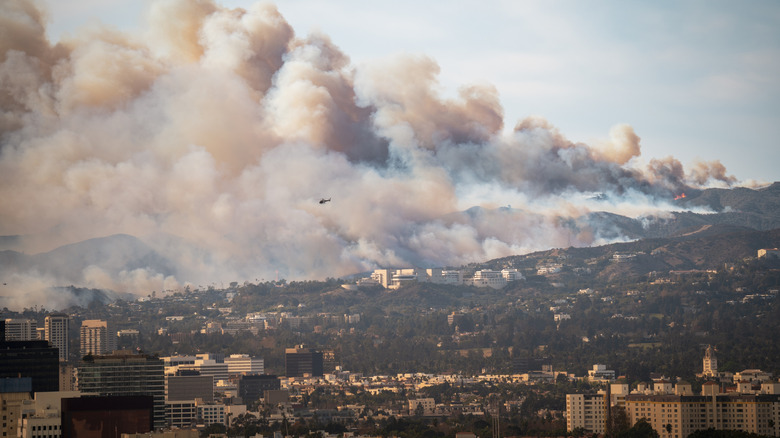
Zillow has found that homes with high risk of fire or flood damage are less likely to sell than others. While this is not inherently surprising, it is also not a surprise that the information has upset homeowners with properties rated this way. While there are numerous factors that control trending home prices in a certain area or even nationwide, individual properties can experience an ebb and flow when it comes to a selling price. Often, these fluctuations are based on more granular details such as renovations, upgrades, and general maintenance requirements (although there are plenty of renovations that won't increase your home's value). However, while you can refurbish a kitchen, you can't change a property's hurricane or wildfire risk profile.
It's worth noting that Zillow's policy change for listings hasn't brought about a complete blackout on climate data. Even though climate risk scores are no longer front and center in Zillow listings, the site will still feature links for relevant First Street pages that contain climate risk information. However, these links are likely to be buried somewhere in a listing, and could require additional digging. This also means that would-be buyers need to add additional websites to their digital searches in order to make informed decisions before buying.