

4 Foods That Saw The Biggest Price Spikes In 2025

If you've been to the grocery store lately, you don't need to be told food prices are high. The U.S. Department of Agriculture (USDA) reports that food prices from July 2025 to August 2025 rose 0.4%, faster than overall inflation. And year-over-year food prices increased 2.7% from August 2024 to August 2025.
Restaurants and other food services had an even higher increase per the Consumer Price Index (CPI), with a year-over-year price hike of 3.7% from September 2024 to September 2025. This is causing grocery and restaurant bills to soar for the average household.
There were four foods that saw major price spikes in 2025, and they're often found in grocery carts across the country. Eggs, beef and veal, sweets, and nonalcoholic beverages were among the foods with the biggest price jumps in 2025. Although the USDA predicts a slower price increase rate for food in 2026, the inflated prices of these items isn't likely to make them any more affordable in the near future.
Egg prices are volatile
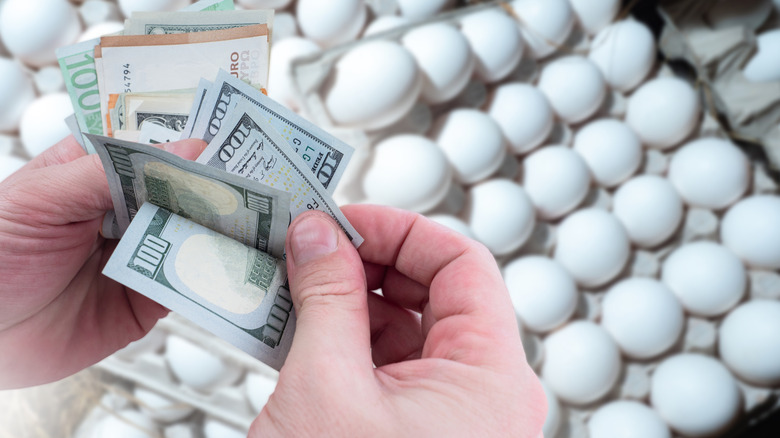
Eggs are a healthy source of protein, and also a versatile food item. You can eat eggs in a variety of ways, from scrambled and boiled to fried and poached, but they're also a key ingredient in things like bread, cake, and even ice cream. In 2022, retail egg prices experienced a rapid rise when an outbreak of Highly Pathogenic Avian Influenza spread throughout poultry farms.
The outbreak resulted in flock reductions that lowered egg production, causing a rise in egg prices. Before the avian flu hit, a dozen eggs rarely cost more than $1, but at one point in 2025, egg prices hit an all-time high of over $8 a dozen, per a report from Trading Economics.
While the Bureau of Labor Statistics (BLS) lists egg prices as having a 1.3% change from September 2024 to September 2025, the average price for a dozen eggs is still relatively high. The USDA says the predicted price increase for eggs in all of 2025 is 24.8%, and this is with the price change from January 2025 to March 2025 factored in. With continued, albeit fewer, avian flu outbreaks, egg prices are likely to remain volatile into 2026.
Beef and veal prices are on the rise
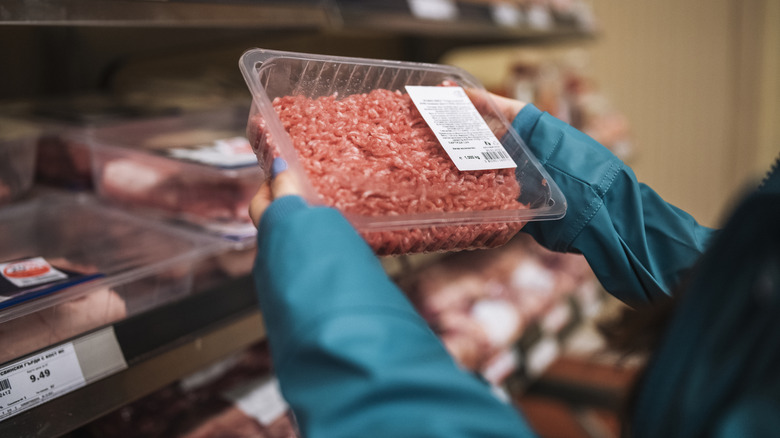
According to FMI — The Food Industry Association, 98% of American households regularly purchase meat. Its analytics, sourced from Circana, show that beef is among the top three meat purchases Americans make at the grocery store. Despite the big price spike in 2025, demand for beef and veal remains strong. However, rising beef and veal prices will affect millions of households across the country, as the U.S. is the world's largest consumer of beef.
The BLS reports a 14.7% change in the price of beef and veal from September 2024 to September 2025, and the USDA says the price of beef and veal was up 2.7% month-over-month from July 2025 to August 2025. That's eight straight months of increasing beef and veal prices, and between August 2024 and August 2025, they jumped 13.9% in price.
Overall, the USDA predicts beef and veal to increase in price 11.6% in 2025. Price spikes for beef and veal are fueled by a decrease in cattle herds, which peaked in 2019 and have dropped 8% since as of January 2025, according to a report from the USDA.
Sugary snacks are no longer a sweet price

Even if you aren't shopping at one of America's most overpriced grocery store chains, the price jump of some of your favorite sugary snacks might be making you think twice before buying. According to the BLS, sugar and sweets experienced a 6.7% price change year-over-year from September 2024 to September 2025, with the candy and chewing gum subcategory increasing the most at 9.8%.
This means candy and chewing gum, which also includes chocolate, saw the biggest price increase per CPI. The USDA reports that from August 2024 to August 2025, the price of sugar and sweets rose 5.3%, with a month-over-month increase of nearly 1% from July 2025 to August 2025. The USDA predicts a 4.9% overall increase in the price of sugary snacks and sweets for 2025.
Several issues are causing the rise in costs for sugary snacks and sweets. Drought combined with excessive rainfall has been an issue for major sugar-producing countries such as Brazil, the world's largest sugar exporter. Additionally, an increase in sugar consumption globally keeps it in demand for many products, including processed foods, beverages, and ethanol. As demand grows, production will need to increase to keep prices of sugary snacks affordable.
Nonalcoholic beverage prices might make your wallet tipsy

In the '70s, many groceries used to cost pennies, including nonalcoholic beverages like soda and juice. However, visit a grocery store today, and you'll surely notice that nonalcoholic beverages are among the foods that saw the biggest price spikes in 2025. Coffee had the largest price change, which was over 18% per the BLS, and even higher if you want the instant stuff.
Nonalcoholic beverages on the whole saw a year-over-year price change of 5.3%, with frozen noncarbonated juices and drinks seeing a 9.6% change in price from September 2024 to September 2025. The price increase for nonalcoholic beverages month-over-month, per the USDA, was 0.6%, but from August 2024 to August 2025, these types of beverages saw a price jump of 4.6%.
The USDA predicts a total price increase for nonalcoholic beverages through 2025 of 3.7%. But why are beverages without alcohol so expensive in 2025? The answer lies partly with the same reason sugar and sweets prices are on the uptick. With most nonalcoholic beverages requiring sugar or sweeteners, the jump in sugar prices directly affects the price of beverages, including those without alcohol. Demand also factors in, as more people are consuming an increasing number of sugary drinks around the globe, driving up the price.