

The 3 US States With The Highest Credit Card Delinquency Rates

The year 2025 saw a significant uptick in both consumer prices and national consumer debt, tied to the rising costs of living. In a November 2025 report, the Federal Reserve outlined an alarming trend in credit card delinquency, with rates rising from their COVID-19 pandemic lows to levels close to those of the 2008 financial crisis. Across the nation, three southern states exhibit the highest delinquency rates. Card companies, such as Discover, define Credit Card delinquency as a payment that is late by 30 days or more. WalletHub used data from the first two quarters of 2025 to report the percentage of cards held in each state that were marked as delinquent, showing that Mississippi, Louisiana, and Alabama had delinquency rates exceeding 30%.
These states demonstrate a nationally expanding non-housing consumer-debt balloon, according to the third-quarter 2025 statistics published by the Federal Reserve Bank of New York. This means the amount of debt one needs to have to be below the national average continues to rise. Several factors in these three states could contribute to higher rates of delinquency, including national wage disparities, increased impact of tariffs, and predatory credit policies.
Struggling agriculture and high late fees bury Alabama
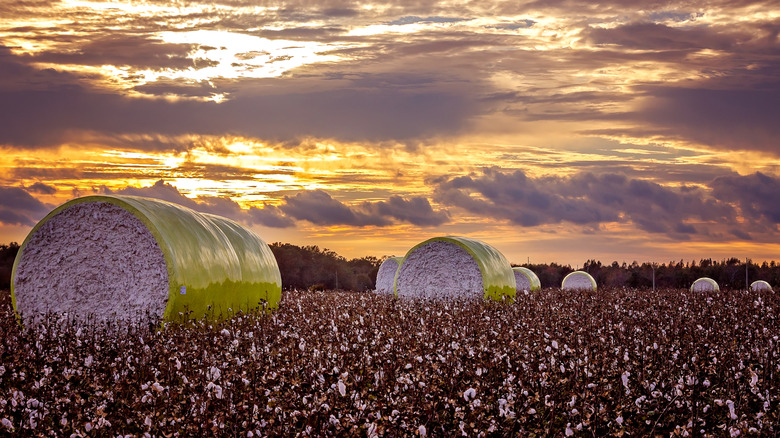
Alabama has the third-highest delinquency rate nationwide, sitting at 30.52%. The state's credit cards are among the most penalized in the nation, with an average late fee of $25 on credit cards held by residents, tying with Louisiana for the second-highest average in the country, according to a 2025 WalletHub report.
Additionally, agriculture has emerged as a vital sector of Alabama's economy, with roughly one in every four jobs in the state being in the farming and food production sector, according to World Atlas. This economic landscape contributes significantly to rising credit card debt and the potential for delinquency. This is because the agricultural sector has been heavily affected by tariffs. The national agricultural outlook has been hit even harder, prompting the Trump administration to issue a $12-billion bridge loan to farmers to help ease market hardships. The role of the struggling agriculture sector manifests in the 25% increase in delinquency in Alabama since the enactment of strict tariffs earlier in 2025. At the same time, the struggling agricultural industry contributes to rising food prices, a trend that the Urban Institute has tied to higher delinquency rates as consumers are forced to buy more of these necessities on credit.
Natural gas drawbacks and low wages hurt Louisiana

The nation's second-highest national delinquency rate is in Louisiana, where 32.11% of cards are delinquent as of late 2025, per WalletHub. While Louisiana has a burgeoning tourism industry centered around New Orleans, consumer debt is problematic across the state due to struggles in the oil and natural gas industry. While agriculture has been hit hard in states like Alabama, the U.S. Tax Foundation stated that, even with some tariff exemptions, the energy industry is suffering dramatically from the administration's trade policies. The U.S. Energy Information Administration attributes roughly 60% of the nation's liquid natural gas exports to Louisiana, making tariffs a significant drain on that state's economy and a potential contributor to high delinquency rates.
New inflation data has shown a price jump in several notable household items, along with overall inflationary price hikes across the nation. However, Bank of America published a report in November showing that wages over the past three years have lagged behind inflation nationwide. This national trend has adversely affected Louisiana residents in particular, with a state median household income about $20,000 lower than the national median, according to the Federal Reserve Bank of St. Louis.
Racial and workforce disparities spike Mississippi's delinquency

Mississippi has by far the highest delinquency rate nationwide, at 36.69%, and racial bias is a likely factor. A report from Brookings found that Black borrowers rely on non-bank lending due to hurdles in accessing bank loans, often making larger purchases on credit rather than financing through banks. This systemic lack of access to diverse lending options creates an environment where credit spending can be one of the only viable options, leading to fewer protections, higher interest rates, and a higher risk of delinquency. Given these findings, the racial makeup of Mississippi is significant, as it has the second-highest percentage of Black residents nationally (behind the District of Columbia), according to World Population Review.
Among states with the highest credit card delinquency rates, Mississippi also experienced a large increase in the unemployment rate, which rose by nearly 0.6 percentage points in 2025, according to the Federal Reserve Bank of St. Louis. The state has also seen an almost 30% increase in delinquency rates in the last year, representing the largest spike among these three states. While Mississippi doesn't have significantly more people holding cards than the national average, WalletHub reports that it also has the highest average credit card late fees nationally, at $29. These steep fees and high national rates further drive delinquency at the state level.