

11 Of The Most Expensive Dog Breeds (And Why)

We may receive a commission on purchases made from links.
While dogs may be man's best friend, they can also cost more than you would ever expect. From breeder fees to the price of pet insurance and vet bills to providing for special dietary needs, all the incidentals can really add up when you own a pet. In fact, the average total price to care for your pet over its lifetime for a 10-year-old dog is approximately $34,550, according to Rover's 2025 True Cost of Pet Parenthood Report for dogs and cats, an online marketplace for pet owners. Actual costs can vary widely, of course, depending on the size, health conditions, breed and typical lifespan of your canine companion.
Rover gathered data from more than 1,000 pet owners with a goal of sharing the pricey details that come with taking care of a cat or dog. As you may expect, those costs have been rising. According to the report, pet owners can expect to spend about 11% more for vet bills this year, 20% more for grooming supplies, and as much as 85% more for some treats and chews. Depending on the breed, the upfront price of welcoming a new dog into your family can range from $1,150 to $4,420, according to the report. When it comes to the most expensive dog breeds, though, those costs can skyrocket past the $5,000 mark. For comparison, pet website Chewy estimates the initial cost of buying a dog averages between $780 and $7,000, with the annual cost of caring for a dog averaging out to between $885 and $3,410. With that in mind, Money Digest broke down nearly a dozen of the priciest dog breeds on the planet and explains what makes each so expensive.
Portuguese Water Dogs can cost up to $4,500
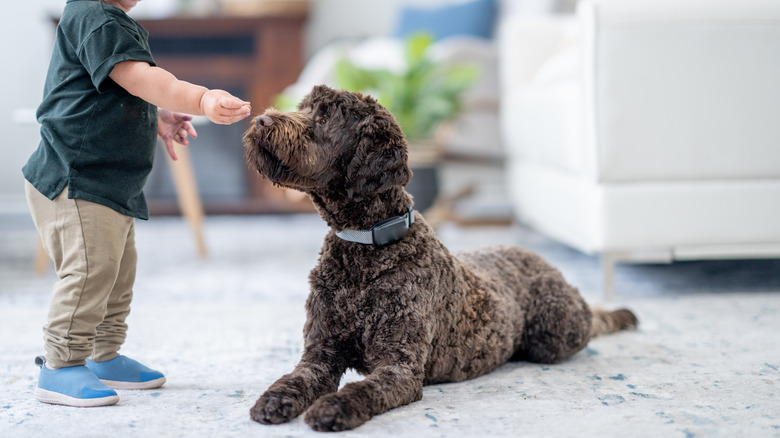
Buying a Portuguese Water Dog puppy from a reputable breeder can often cost between $1,500 and $3,000, notes PetsCare.com, while puppies with champion bloodlines can go for as much as $4,500. Experts say it can be safer to buy from a responsible breeder because they often provide detailed health information, genetic testing, and early socialization for young dogs. With an expected lifespan of 11 to 13 years, Portuguese Water Dogs can cost as much as $30,000 or more over the course of their lifetime, according to PetsCare. Factored into that figure is routine care, vet and other medical expenses, and other unexpected costs.
There are several ongoing monthly expenses new owners should expect to cover when they welcome a new pet into their homes. The folks at PetsCare note that monthly expenses include food at $75 to $100, plus grooming at $60 to $100 every six to eight weeks. These pets also need regular vet checkups that can run anywhere from $100 to $500 depending on the vet practice and pet insurance premiums, which can be priced between $30 and $100, each month. Dogster explains that monthly food costs could be even higher depending on the animal's size, activity level, age and dietary needs and for those who supplement or feed their pets wet food or a raw diet. It's also important not to forget to add in the costs of treats, supplements and ongoing flea and tick treatments.
French Bulldogs can cost up to $4,000

Known for their short snouts and small stature, French Bulldogs — also called Frenchies for short — routinely can cost between $1,500 and $4,000 or more to purchase because they remain in high demand and can be difficult to breed, often requiring artificial insemination and C-sections, according to MarketWatch Guides. Their popularity, combined with frequent health concerns associated with flat-faced breeds, makes them among the costliest dogs to purchase and keep in the U.S. And depending on the dog's eyes and coat coloring, and their bloodline, some French bulldogs can fetch as much as $30,000, notes MarketWatch. Frenchies were originally bred in 19th-century England to serve as a lap dog version of the heftier English Bulldog. The pets crossed borders with their owners and breeders and landed in France during the Industrial Revolution. There, they became popular before charming pet lovers across the pond in America.
Another reason French Bulldogs are expensive to own is because they are prone to costly health issues. As a flat-faced breed, many Frenchies experience breathing problems which can lead to surgery for treatment. The breed also is known to suffer from eye, ear, and skin issues that may also require treatment from a vet. Some Frenchy owners steer clear of commercially produced dog food and instead feed their pets a special diet of wet food that they prepare at home.
The rare Lowchen can cost as much as $8,000
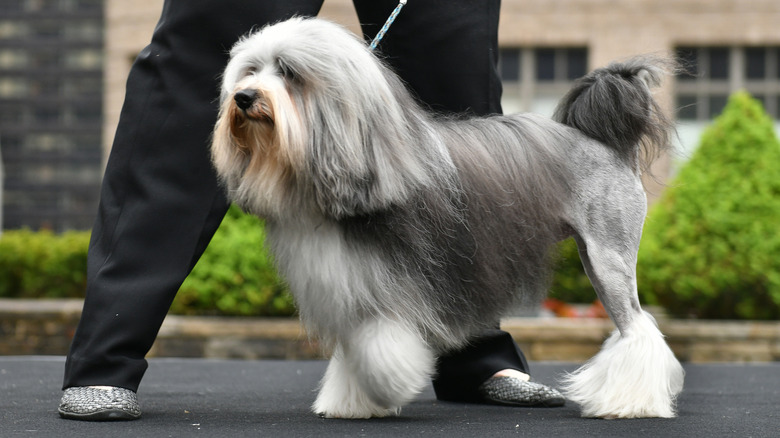
The Lowchen, which translates to mean "little lion dog" in German, is a rare breed that can cost between $1,500 to $8,000 to purchase, because it has a small breeding population that can push demand far above the supply. Originally bred as a companion dog for the rich, paintings of the animals date back as far as the 1500s in Europe, according to the World Animal Foundation (WAF).
In 1971, the first Lowchen dogs were introduced to the USA, and the Löwchen Club of America was formed. The smart and playful dogs entered the American Kennel Club (AKC) registry in 1995, notes the WAF, and were approved into the non-sporting group in 1999. These small dogs, which typically weigh 15 pounds or less, are a strong breed that can also be prone to several health conditions impacting smaller dogs. According to the AKC, responsible breeders screen their stock for conditions such as hip dysplasia, cataracts, patellar luxation, and progressive retinal atrophy. Reputable breeders should provide copies of the parent's health-testing certifications, notes the AKC, so potential pet parents can make informed decisions about the health of a particular puppy.
Samoyeds can cost as much as $3,000

With an average lifespan of 12 to 15 years, Samoyeds often cost as much as $3,000 because of their dense, white double coat, high grooming needs, and striking appearance that can make them highly desirable by some pet owners, according to Newsweek. Breeders and owners note their rarity and predisposition to autoimmune issues can further increase the breeding cost. While their lifespan is considered long for their size, the breed is also prone to certain health issues including corneal dystrophy and autoimmune conditions, which can be expensive to treat.
Besides food and vet care, grooming costs can set Samoyed owners back by $60 or more per session, depending on the region of the country and the groomer, notes Newsweek. Then, of course, there are pet insurance premiums, which tend to cost more for the owners of pure-bred dogs.
The Azawakh breed can cost up to $5,000

To the untrained eye, the Azawakh may look like the more familiar greyhound dog breed, but they come with a much higher price tag. This breed typically costs between $2,000 to $5,000 or more to purchase a puppy because of its rarity, slender build, and status as a less-commonly-owned hound with a miniscule breeding population. These factors — and others — make them a niche breed. Pronounced oz-a-wok, the breed was first introduced to the U.S. in the 1980s. It was added to the American Kennel Club in 2019. According to club reports, there are approximately 400 to 500 Azawakh dogs currently living in the U.S.
The Azawakh is considered to be a typically healthy dog breed with a few health concerns that can potentially develop as the dog matures, according to PetMD. With a lifespan of 12 to 14 years, some Azawakhs are prone to produce lower levels of thyroid hormone, causing hypothyroidism. Vets say this condition can lead to other health issues, such as weight gain, lethargy, and frequent ear and skin infections. Seizures have been noted in the breed, explains PetMD. Those factors and others should be considered when weighing options for the type of dog to bring into your home.
Pomeranians can cost as much as $10,000

The tiny canine known as a Pomeranian can often cost between $1,500 and $6,000 or more, especially when purchased from championship lines or when bred for rare colors or very small teacup sizes. They are also popular as a luxury companion which has been known to increase their demand. Show-quality Pomeranians, or Poms for short, can cost as much as $10,000, according to Pomeranian.org. For those not interested in buying a championship line puppy, finding a full-grown Pomeranian to adopt from a local shelter could be a more affordable option and would likely cost hundreds instead of thousands of dollars.
While Pomeranians are generally considered to be healthy dogs, they are unfortunately prone to some health problems, including dental issues, collapsing windpipes, allergies, eye problems, and sometimes breathing problems, among others. The costs to treat these health issues can run into thousands of dollars when surgeries or other complicated procedures are needed, according to vets and breeders.
Chow Chows can cost upwards of $4,000
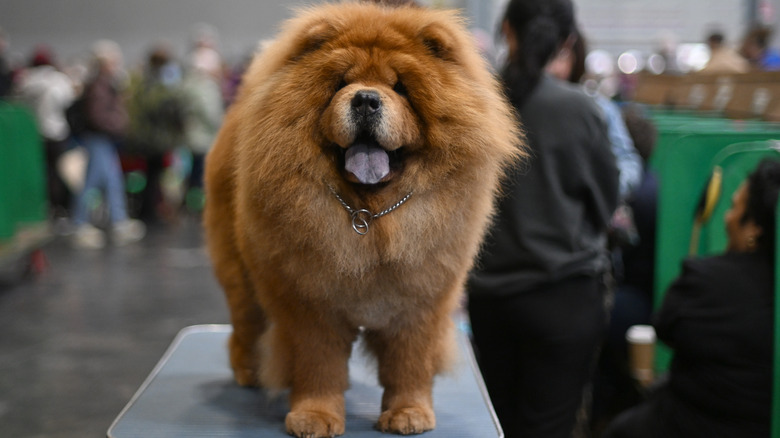
Perhaps one of the fluffiest of the world's most expensive breeds is the Chow Chow, which usually costs between $800 to $4,000 to purchase as a puppy, depending on the breeder and blood line, according to petscare.com. The high price is often the result of its distinct lion-like appearance, heavy coat, and blue-black tongue, as well as the considerable grooming and health testing required for responsible breeding. Celebrity owners of Chow Chows have included Martha Stewart and the late Elvis Presley.
Beyond the initial cost of purchasing the breed, owners will need to budget for yearly expenses estimated at up to $2,000, per petscare.com. This includes quality dog food, routine vet care and vaccinations, professional grooming, training sessions and other supplies such as ongoing heartworm preventatives, toys, plus boarding and kennel costs. Although adoption is typically more affordable when considering buying this breed, Chow Chow puppies are seldom found in shelters or rescue groups. When available, adoption fees usually range from $100 to $400, but they rarely include the young, more highly sought-after dogs. Because of this, notes PetsCare.com, many potential pet owners turn to breeders, where limited availability can keep costs high.
Black Russian Terriers can cost up to $2,500
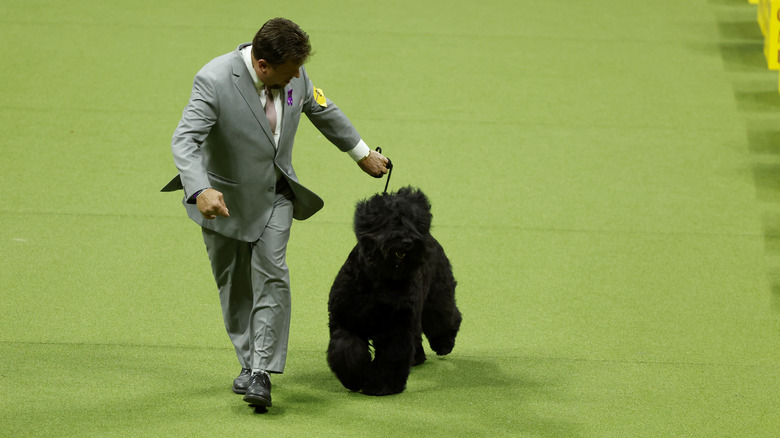
Black Russian Terriers typically cost up to $2,500, according to Spot Pet Insurance, because they are large working dogs that can require extensive health screenings and careful breeding to maintain temperament and structure. Their rarity and susceptibility to orthopedic conditions and eye issues can potentially further increase costs to own them.
As with so many other breeds, there is much more that goes into owning a dog than the purchase price. Spot Pet Insurance also notes that the average lifetime cost of owning a Black Russian Terrier can range on the low end from $16,000 to the high end of $47,000. Buying pet insurance may offset some of that cost, of course, depending on the level of coverage and details of the policy. Other ongoing costs that figure into the price for this breed include grooming costs, which can ring in at $100 per visit or more. And health costs typically run much higher, reaching $6,000 or more to treat common orthopedic and eye problems over the breed's lifespan of 10 to 14 years, according to published reports.
Akitas can cost as much as $4,000

Known for their thick coats, teddy bear faces and curly tails, Akitas can often cost between $1,000 and $4,000, according to Spot Pet Insurance, because of their large size and strong lineage demand, especially for well-bred or show-quality Japanese Akitas. Their powerful build requires experienced breeders, which can also raise prices, according to owners. And because of their strength, Akitas are powerful and athletic, requiring daily exercise and professional training, according to The Spruce Pets. They are also known to shed more than other dog breeds, so pet parents will need to be vigilant about grooming this particular breed or keeping up with their needs with a professional groomer.
Because of their thick coats, Akitas are known to thrive in cooler, less-humid climates and don't tend to do well in hot weather. After the initial cost of bringing home an Akita, new owners can expect to spend between $110 and $940 per month depending on your pup and various factors, according to Dogster. The higher end of the budget for these dogs would include everything from high-quality dog food to ongoing training, pet insurance for a pure-bred pup and walks or other boarding for those who aren't able to take their pets out for the recommended 60 minutes or more of exercise a day.
Show-quality English Bulldogs can cost as much as $10,000

With their wrinkly faces and stocky stature, English Bulldogs generally cost between $2,500 and $4,000, but up to $10,000 for show-quality dogs, because breeding them can be expensive and medically complex, according to WB English Bulldogs. Their well-documented health issues, including respiratory challenges and skin problems, also increase responsible breeder and owner expenses. And aside from the high price of a Bulldog puppy, the breed tends to be fairly pricey to maintain throughout its life, according to Bulldog World. Bulldogs, of course, have short faces which predisposes them to a set of health conditions known as brachycephalic syndrome.
Research by the Royal Veterinary College (RVC) at the University of London shows that due to breeding trends nearly 13% of British bulldogs suffer from ear infections, with nearly 9% suffering from skin infections and obesity. The research also reveals a number of other conditions more prevalent in British bulldogs than in other breeds including skin fold dermatitis and interdigital cysts. Interestingly, less than 4% of the 1,621 bulldogs studied by RVC were diagnosed with brachycephalic obstructive airway syndrome, suggesting that some pet owners consider breathing problems such as snoring as normal for the breed, according to RVC. While not all Bulldogs will develop all of the health issues mentioned, even just a few of these will require frequent vet visits and potential ongoing medical treatments to improve a pet's quality of life.
Afghan Hounds can cost as much as $7,000

An ancient sight hound with origins in Afghanistan, the Afghan Hound typically costs between $2,000 to $7,000, according to PetsCare.com, to buy because it's known as a rare breed which can require pricey grooming and deliberate breeding practices to maintain quality bloodlines, owners say. The breed's steep initial cost reflects its pedigree and often expensive grooming demands, according to PetsCare.com. As with other pets, this breed also has ongoing expenses owners must contend with, including the need for a high quality diet, veterinary check-ups, pet insurance premiums, and training classes, among other costs.
The estimated lifetime cost of owning an Afghan Hound, including the initial cost of purchase or adoption, food, grooming, veterinary care, and miscellaneous costs, is roughly between $22,000 and $24,000, according to Spot Pet Insurance. And for those who would love to adopt a pet rather than paying the high price asked by many breeders, Afghan Hounds can sometimes be found in breed-specific rescue centers and local animal shelters. The adoption price, notes SpotPet, can be much less than buying a puppy from a breeder or pet shop, and could range from $150 to $500, depending on the location.