

US States With The Lowest Median Rent Prices
Because nearly one-third of Americans are renters, the monthly rent bill is a living cost that many people are concerned with, especially as rental prices become increasingly expensive. According to the United States Census Bureau, the U.S. median monthly rent was $1,487 in 2024. By comparison, the median monthly average was about $934 in 2014. Depending on where you live in America, you may be able to pay less than the national average and even enjoy a more affordable lifestyle overall.
That said, you may encounter drawbacks. Per data shared by Doxo, the states of California, New Jersey, Hawaii, Massachusetts, and New York had the highest median rent prices. These states represent urban and coastal regions with large populations, and stronger, more vibrant economies, factors that likely contribute to higher housing valuation and rental pricing. Meanwhile, midwestern states and rural areas were found to have far lower median rental prices.
Below are 10 U.S. states with the lowest median rent prices as of 2024. Even as rent prices continued to rise throughout 2025, these places frequently offered rental options that were much more affordable than the national average. If you are concerned with finding a reasonably priced place to rent, you will likely find a solid option in one of these states. In addition to the average price is a breakdown of what's happening in the state that might contribute to rent prices being so low, as well as which cities and towns are best if you're looking for a cheaper place to live.
West Virginia
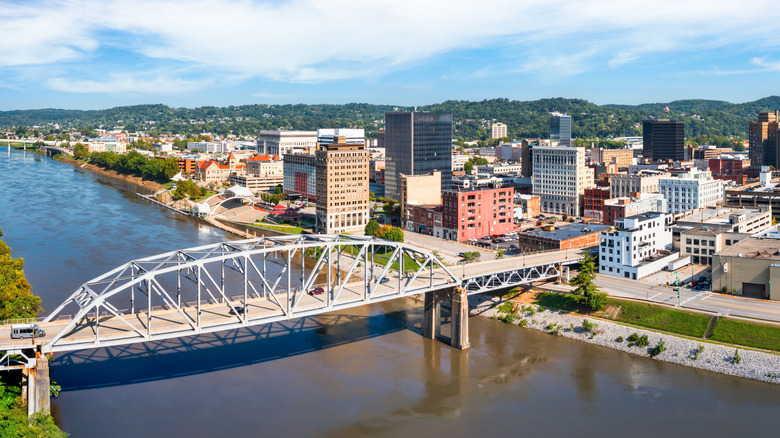
West Virginia is one of the most affordable states to rent overall, with a median rent price according to the U.S. Census Bureau of about $883; some sources even put it closer to $800 per month. In some cities here, it may be possible to rent a studio apartment for just over $600 per month. The state has a total population of just under 1.8 million people. By comparison, the U.S. Census Bureau estimates the city of Philadelphia is home to approximately 1.6 million residents. Because West Virginia has such a small population and some of the lowest property taxes in the U.S., it's not too surprising that it's median gross rent prices are so low.
Though rental prices are very low compared to the rest of the country, utilities may be more of a mixed bag. Area residents, for example, have endured repeated price hikes on energy bills. As the West Virginia Watch reports, the state now ranks third in the nation for the highest overall household electricity costs. You may find an apartment that's very cheap, but you may find yourself paying considerably more for your monthly utilities than you would in another state. Still, if your primary concern is finding a place that's very budget-friendly, renting in West Virginia may be an ideal choice.
Iowa
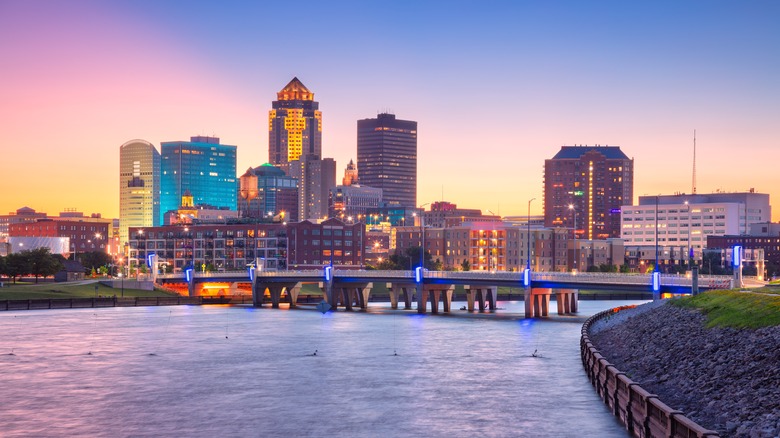
Renters that move to Iowa could be able to rent apartments for an average monthly rate of $833, per 2024 U.S. Census Bureau data. Recent estimates put the number at equivalent to 26.8% of household income. The state owes its lower median rental rates in part to a high agricultural base relative to its overall population. Because you'll find far more corn than people in Iowa, you won't necessarily have to compete for apartments at a rate that would lead to price increases. Likewise, Iowa has a very low cost of living, estimated to be roughly $48,000 per year. By comparison, you would likely need a six-figure income to live adequately in coastal states like California and New York. As long as Iowa's population and relative demand stay low, median rent prices should remain affordable.
While rent is on the cheaper side, your quality of life will be strongly impacted based on where in Iowa you ultimately settle. Some locals, according to a Reddit thread, are happiest in cities like Des Moines, which they claim has low crime rates, decent access to nature, and lots of space for family and pets. Others warn that the state lacks the notable amenities and excitement of more populous states with large cities, which could make it a bit boring. However, if you are looking for a quieter lifestyle and budget-friendly rentals, then Iowa could be a good fit.
North Dakota
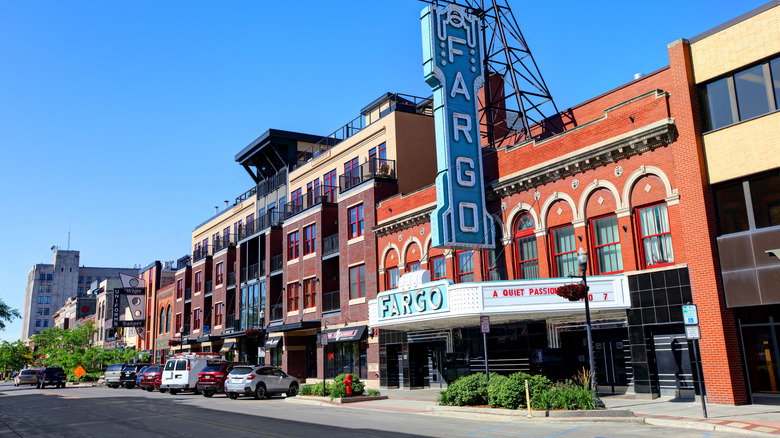
According to 2024 census data, North Dakota's average rental price is $894 monthly. However, Zillow estimates 2025 rates exceed $1,144. While some reports suggest a year-over-year cost increase of about 4.1%, the Peace Garden State remains one of the cheapest places to rent in the country. A few key factors contribute to North Dakota's overall affordability. For instance, North Dakota benefits from low population density. The largest city is Fargo, with an estimated population of 150,000. Bismarck is the next largest city in the state, but has half the population of Fargo. North Dakota's small and sporadically populated cities make it unlikely the state will soon see the level of population growth that typically causes rent prices to spike and apartments to become unaffordable.
That said, these figures are relative to the rest of the country. Data released as part of the 2024 North Dakota Statewide Housing Needs Assessment suggests that even with its current median rent prices below the national average, North Dakota may still face an affordable housing crisis that has contributed to the state's growing homeless population. Aside from that, there may be just enough rental housing available to keep prices low relative to other parts of the country.
Arkansas
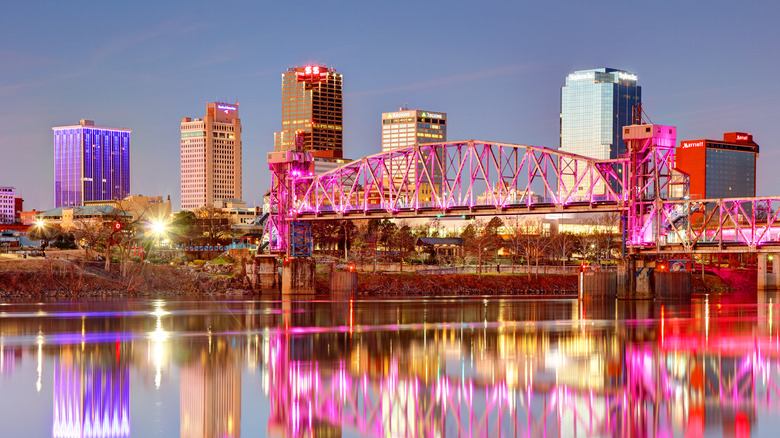
Arkansas residents reportedly pay a median monthly rent of $982 per USA Facts. Some previous estimates had rates as low as $778, but it's likely that ongoing national housing and rental price hikes have driven up costs. Even so, many consider Arkansas's average rent payments to be relatively low and potentially worth moving there to take advantage of its cost of living.
As for why Arkansas's median gross rent is so low, some point to very low construction and material costs. Even though it's very affordable to develop property here, the rate of urbanization has remained relatively slow compared to other states, helping protect the area from mirroring rental prices seen in some larger metropolitan regions around the country.
Affordability when developing housing and apartment complexes and access to cheaper rental options might not be enough for some. Arkansas's weekly wages, for instance, currently rank 40th in the nation, according to the Bureau of Labor Statistics. Because cost of living is so low, monthly rent rates aren't necessarily out of reach, however, if cost of living continues to rise while local wages remain unchanged, affordability could eventually become an issue.
Mississippi
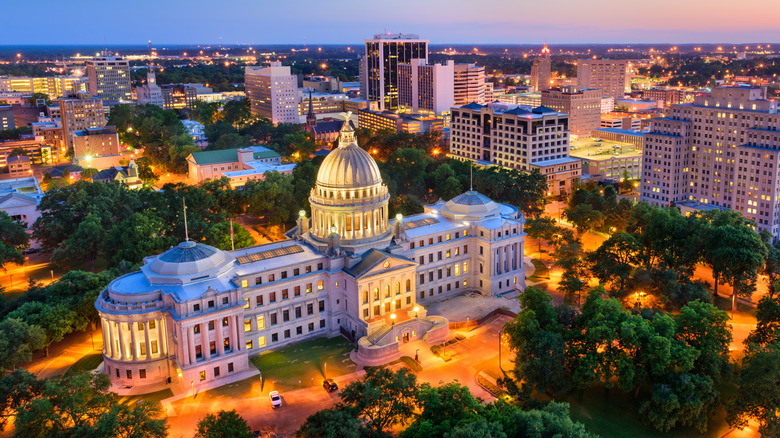
According to Apartments.com, Mississippi's average rent price is $994 per month, representing a 2.9% year-over-year increase from 2024. The least-expensive cities for renters were Greenville, Meridian, and Tupelo, where rentals reportedly cost $810, $841, and $861 per month respectively. Interestingly, in addition to pricing, you are getting a better deal by renting in Greenville, as the average apartments here are 750 square feet. By comparison, Meridian apartments average 658 square feet. On the opposite end, the cities of Pearl and Horne Lake offer more square feet for rentals, but are also the most expensive cities for Mississippi renters, costing them $1,068 and $1,162 monthly.
The majority of Mississippi households are rural, and some have noted that this state lacks the level of development and infrastructure found in wealthier, more developed states. Likewise, it might also be a driving factor behind why residents decide to leave the state, as Mississippi experienced a notable decline in its population over previous decades. The high resident turnover could be contributing to lower rental rates, keeping demand low, which, in turn, helps keep rent prices down. That said, there may not be enough economic opportunities or amenities in the state to ensure that those who choose to relocate here are happy to stay here and won't regret the move.
Wyoming
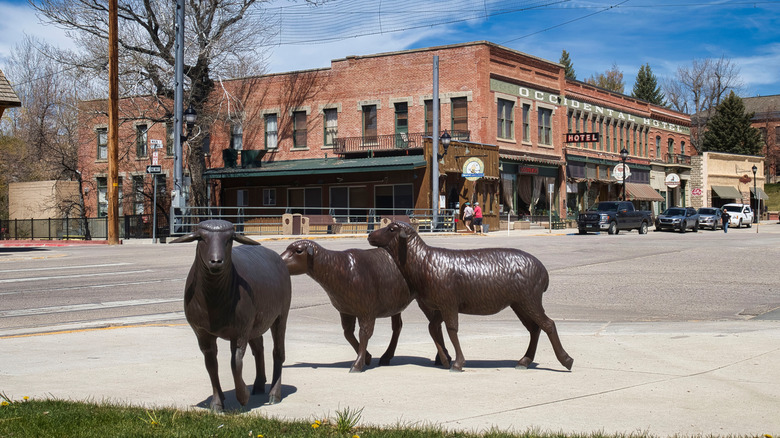
According to recent estimates from Apartments.com, the median rent in Wyoming is $1,160 per month. While still lower than the national average, these prices represent a 1.2% increase from what renters expected to pay in 2024. The good news is that there are several cities in Wyoming where you can pay far less than the state average. Green River residents enjoy median rent prices of $581 per month, which means a keen eye could find renters an apartment for even less. One drawback might be apartment size; though considerably cheaper, Green River apartments average 500 square feet, which is satisfactory for a single person, but not ideal for families. Other cities with lower rent prices include Laramie and Rock Springs, with median rents of $780 and $786, respectively.
Still, rent prices have crept up steadily within the past few years, catching many Wyoming residents off guard, with some blaming rising costs on wealthy, newer residents and expensive short-term rentals. There's also ongoing concern regarding stagnant wages, which might make Wyoming a less-than-ideal destination for those relocating to the area in search of work. Despite these concerns, if you are coming to Wyoming from a state with much higher median rent prices, you'll find much of the state to be objectively quite affordable.
Kentucky
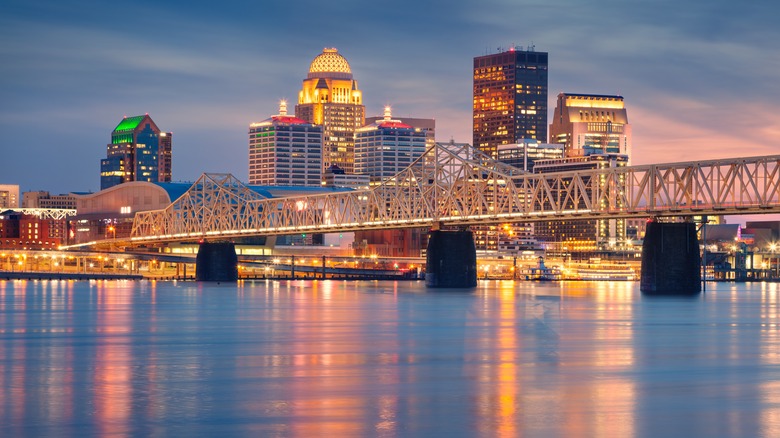
Kentucky's median gross rent pricing is reportedly about $1,070, per Apartments.com. Depending on where you move within the state, you might pay under $800 for a one-bedroom apartment. Owensboro is considered the cheapest city to live on average, with median rent prices of $768 per month. Covington, meanwhile, had higher apartment prices on average, costing $1,416 per month. Louisville rentals cost somewhat less, $1,115 per month, and as apartments here offer more square feet than Covington rentals, residents may feel they've earned a bargain in terms of overall space.
An ongoing housing crisis within the state has caused skewing perspectives regarding affordability. Lexington, for example, has a cost of living that is approximately 9% lower than the national average, according to Best Places. Yet, many Kentuckian renters are low-income, and currently experiencing severe a cost of living burden that places them in danger of missing rent payments and facing possible eviction. Despite the situation, most renters and transplants will likely find the region relatively affordable, so long as urban and commercial development remains slow and related costs low overall. As things stand, that will likely be renters moving in from out of state or remote workers with annual income that exceeds local wages.
South Dakota
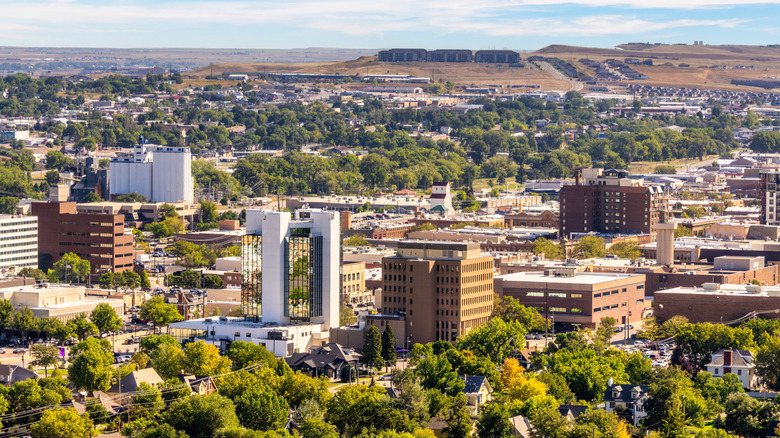
South Dakota is very affordable for renters. Per data from Apartments.com, the state has a median rent of $979 and saw a 0.3% year-over-year decrease. Rent prices also saw a slight decline here. The most affordable city by far is Huron, where the average rental rate is $583 per month. You can expect to pay nearly double this amount should you move to Sioux Falls, where the median rent cost is $951 per month. Interestingly, although Sioux Falls is the largest city in South Dakota, renters here will pay less than those in Rapid City. Though it has a third of the population, Rapid City residents pay $1,191 on average per month.
In addition to lower rent prices, a big draw for those who move here is that South Dakota is a low-tax state, with no state income tax and especially low property taxes. Thanks in part to its overall cost of living, South Dakota was previously ranked the 4th-most affordable state by U.S. News & World Report. Even as South Dakota aims to maintain its affordable reputation, potential future renters might want to keep an eye on state legislative proposals, which, if successfully passed into law, include sales tax increases or spending cuts that might negatively impact publicly funded social programs and likewise affect state infrastructure.
Oklahoma
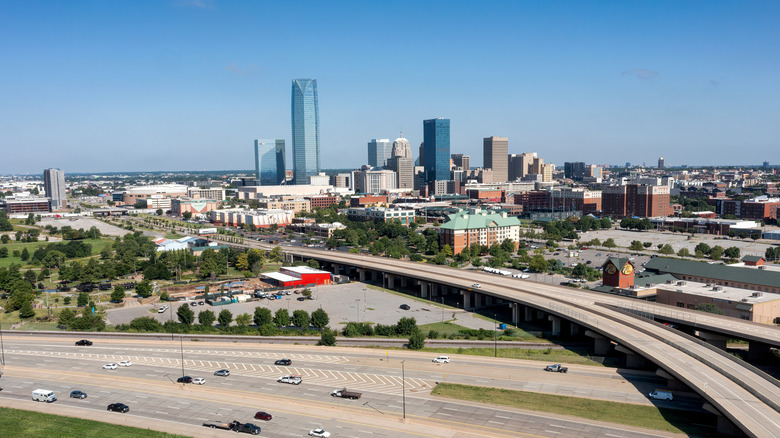
Oklahoma rent currently averages $907 per month according to Apartments.com, with some studio apartments reportedly renting for as low as $800 per month. If you are looking to pay less, the most affordable cities are Lawton and Enid, with month-to-month rates of $722 and $729, respectively. In Midwest City, rent is slightly higher at $781 per month, but it's still among the cheapest places to live in the state. Though the median rent in Broken Arrow is about $1,098 monthly, the average rent is still well below the national average. Not only are rent prices and housing costs overall are very low in Oklahoma, but residents here also tend to spend less on groceries and utilities, especially compared to larger cities in nearby Texas.
The rent remains affordable here, as there are currently enough available properties to meet ongoing demand. Likewise, because housing and cost of living are very low, it has helped keep apartment pricing down. A significant caveat is that local wages remain low, a point Oklahoma residents on Reddit have raised in response to commentary on affordability. Moreover, there is ongoing concern about slow job growth, which could affect transplants from other states seeking work. Meanwhile, Oklahoma significantly trails other states in different areas, such as education, where U.S. News and World Report currently ranks it 48th. Ultimately, Oklahoma might not be the best fit for everyone, even if you can afford the rent. It may ultimately come down to whether it's a good cultural fit in addition to being budget-friendly.
Louisiana
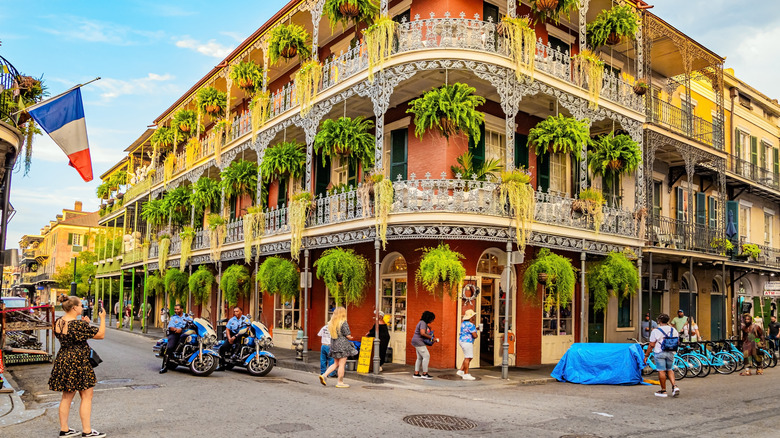
While Zillow estimates the average rent in Louisiana as $1,500 across all property types, Apartments.com suggests the statewide median rate is closer to $1,054. The discrepancy may be due to outlier rental properties that cost between $5,000 and $35,000 per month. The most expensive city to rent is Marrero, where people can expect to pay $1,306 each month. New Orleans is slightly less expensive; apartments here cost $1,283 a month. By contrast, Monroe's $859 and Shreveport's $859 monthly rates make them the most cost-friendly cities to rent in Louisiana.
Overall, Louisiana's economy benefits from year-round tourism, especially to New Orleans, as well as its access to the Gulf of Mexico and offshore oil drilling. Despite these positive attributes, the state's wealth inequality is severe, with minimum-wage workers averaging $377 each month, per the National Low-income Housing Coalition. Such low earnings put even the most affordable apartments out of the reach of the state's most low-income households.
A sometimes overlooked issue for Louisiana renters is the annual hurricane season. When areas of the state experience severe storm damage, it creates an immediate spike in demand for replacement housing, which in turn affects the costs of homes and apartments throughout the state. It can also make places that were once desirable unlivable due to severe damage and a lack of resources needed to perform vital rebuilding and repairs. As such, it's good to keep in mind that rent prices here may often represent good value and a reasonable cost of living, but this could change in unexpected ways.