

Netflix Makes One Thing Clear To Customers Following Big New Deal
Netflix evolved from a mail-order DVD rental company into a gigantic online television and movie streaming service available to more than 500 million viewers, and its stock is now worth a lot more than it was 10 years ago. Now Netflix aims to augment its value again. On December 3, 2025, the streaming giant announced it has an agreement with Warner Bros Discovery Inc. to acquire Warner Bros. studios, including the cable channel HBO and streaming service HBO Max, in a deal valued at $82.7 billion (via PR Newswire). Should the deal close in 12 to 18 months (which is not guaranteed), Netflix promises greater value for shareholders through enhanced engagement, corporate savings of up to $3 billion by the third year after the acquisition, expansion of Netflix's studio capabilities that will boost the U.S. entertainment industry, and more choices for subscribers.
In the meantime, Netflix wants to let its 82 million U.S. subscribers know that nothing will change with its streaming service, at least for now. In an email to subscribers, provided in its entirety by Deadline, Netflix emphasized that "nothing is changing today" and that the streaming services of Netflix, HBO Max, and HBO will continue to operate separately. "We have more steps to complete before the deal is closed, including regulatory and shareholder approvals," the email stated. "In the meantime, we hope you'll continue to enjoy watching as much as you want, whenever you want, all on your current membership plan."
No changes for Netflix subscribers, including fees — for now
The streaming company's email message includes a link to a Netflix Help Center page dedicated to the pending acquisition that includes answers to ten questions where the company continuously points out that nothing has changed. To questions about membership plans, Netflix says: "Nothing is changing with your current plan. Continue enjoying our variety of quality movies, TV shows, games and live programming all on your current membership plan."
You can't blame subscribers for dreading yet another fee hike. At the start of 2025, Netflix raised its ad-supported plan fee by a dollar, to $7.99 a month. Meanwhile, its standard and premium memberships rose by $2.50 and $2, to $17.99 and $24.99, respectively, USA Today reported.
The pending merger could give Netflix a reason to increase its rates yet again once it's completed, according to a report from CNET. After all, several other streaming services have recently increased their fees, including HBO Max, which raised its basic plan with advertising from $10 to $11 a month, its standard plan from $17 to $18.50 a month, and its premium plan from $21 to $23 a month, CNET reported. These rate hikes are another reason why using autopay for your subscriptions could cost you.
Nothing may change in the long term, either, as the Netflix deal is not guaranteed to go through
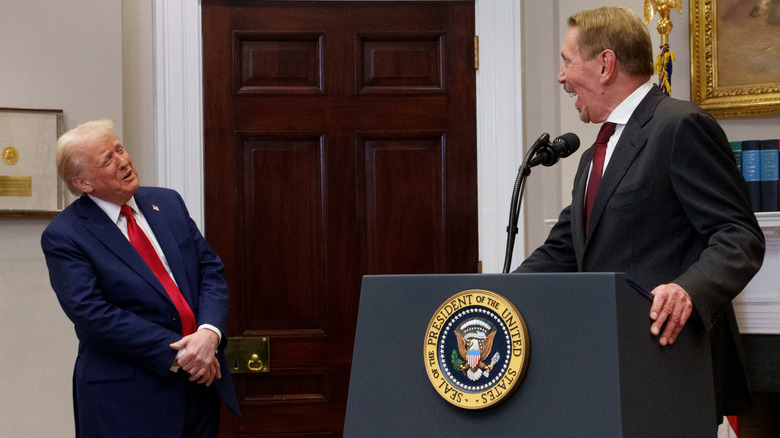
There's a pretty good chance that the Netflix deal won't go forward at all. On December 8, 2025, Paramount Skydance launched a $30-per-share bid for the entire Warner Bros. Discovery company, including CNN, in a potential deal valued at $108.4 billion. This was after Warner Bros. CEO David Zaslav rejected six bids to buy the entire company from Paramount CEO David Ellison, Deadline reported. David Ellison is the son of Oracle founder Larry Ellison, an ally of President Donald Trump and a mega-billionaire who didn't finish college.
Paramount also told shareholders it was more likely to pass anti-trust scrutiny from the Trump administration, the Associated Press reported. Additionally, a firm run by Trump's son-in-law Jared Kushner is a partner in Paramount's pending deal.
Indeed, Trump, who insisted he will be involved in any merger decisions, said he's concerned about Netflix's market share once the deal is consummated, per NBC News. But it isn't just Trump. Senator Elizabeth Warren said that "this deal looks like an anti-monopoly nightmare ... Netflix-Warner Bros. would create one massive media giant with control of close to half of the streaming market ..." (via Reuters). Theater trade organization Cinema United also opposes the Netflix deal out of fear that it will force the release of Warner Bros. movies directly to streaming, decreasing movie theater revenue by 25%; meanwhile, writers' unions are anxious about job losses stemming from the consolidation, the Los Angeles Times reported.