

The Salary Benchmarks Defining 'Comfortable Living' In The Midwest
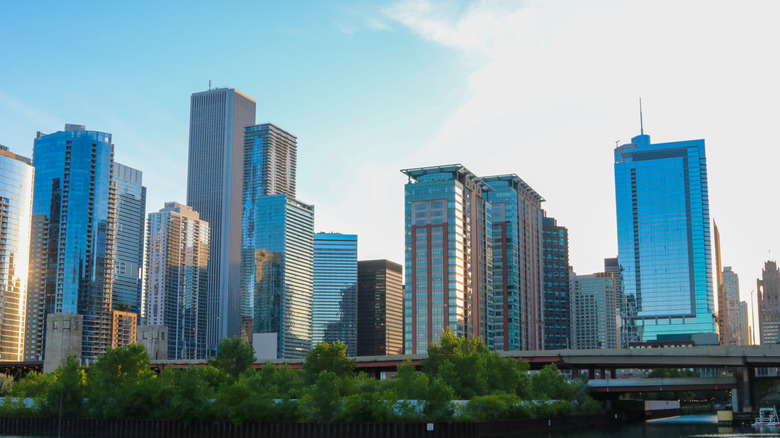
2025 saw the cost of living rise nationally, while the household income remained stagnant. This comes at a time when the United States' population continues to increase, with high population density on both the East and West coasts, in cities like New York and Los Angeles. However, a shift of population away from these coasts has begun, in part due to concerns about climate change.
Even with this, the Midwest region of the United States has remained one of the most affordable and livable areas of the country. In States including North Dakota, South Dakota, Minnesota, and Wisconsin, one can be comfortable on under $50,000 a year, according to World Population Review. It is this fact that has made many of U.S. News and World Report's most affordable towns in America lie within the Midwest, including the underrated Michigan City of Bay City.
A 2025 report by World Population Review laid out the "livable" wage in each state, where individuals can earn enough to afford a home, cover necessities, and still save a small portion each month. In this report, it has become clear that the Midwest has by far the lowest average salary needed to be comfortable when compared to both the East and West Coasts. These are in part due to salary benchmarks, including minimum wage and average salary, when compared to home prices and the cost of everyday goods in Midwest states.
Midwest residents can live comfortably even with low average salaries

The Bureau of Labor Statistics reports lower average incomes in Midwest states than in coastal regions, including the Northeast, in part due to a more rural population. Additionally, minimum wages in many Midwest states are much lower than in the coastal areas, as reported by the U.S. Department of Labor, with states like Wisconsin and Kansas staying at the federal rate of $7.25 an hour.
Even with minimum wage and overall wages lagging behind inflation nationally, Consumer Price Index inflation, which is calculated by the aggregate cost of daily goods, has been less severe in the Midwest than it has nationally. This is driven by lower food costs in many Midwest states, owing to local food production supported by a robust agricultural infrastructure. The Federal Reserve Bank of Chicago reported that the Seventh District States, comprising Indiana, Illinois, Iowa, Michigan, and Wisconsin, accounted for nearly 40% of the nation's agricultural gross domestic product in 2024.
Housing costs trail national averages, even with high mortgage rates

30-year fixed mortgage rates have stayed above 6% ever since rates spiked in early 2022, while the median home sale price has continued to rise. While rates are dictated nationally, meaning fixed mortgage rates in the Midwest are consistent with those nationally, housing prices are relatively low. According to the Federal Reserve Bank of St. Louis, the median home sale price in the Midwest is nearly $10,000 lower than the national median.
Although Illinois has some of the highest property taxes in the nation, the United States Tax Foundation reported in 2025 that tax rates in rural counties of the Midwest, including the Dakotas and multiple areas of Indiana, are much lower than the national average. A majority of this trend comes from the fact that the Midwest has a plethora of available land, meaning less competition for space and resources, lowering cost across the board. However, this fact could change in the coming years, with many experts predicting the Midwest to be a destination for residents fleeing rising sea levels.
Energy and water costs make the Midwest salary more livable

Utility costs significantly influence livable wages, as they are a necessity and a major factor in their calculations, for both World Population Review and the Massachusetts Institute of Technology's Livable Wage Calculator.
Low energy costs in the Midwest are part of what makes the livable wage well below the national average. This is in part due to the significant role energy prices have in localized inflation. Data collected and categorized by Voronoi in October 2025 set the national average energy price per kilowatt at 15.2 cents. When broken down by state, nearly every Midwest state is below or within a few fractions of a cent of this average, except Michigan and Wisconsin.
Additionally, access to freshwater in the Midwest states surrounding the Great Lakes has kept water costs low in the region. According to data collected by the World Population Review in 2025, average monthly water bills are more than half as high as those on the West Coast, where bills exceed $70.
Quality of life plays a major role in livability
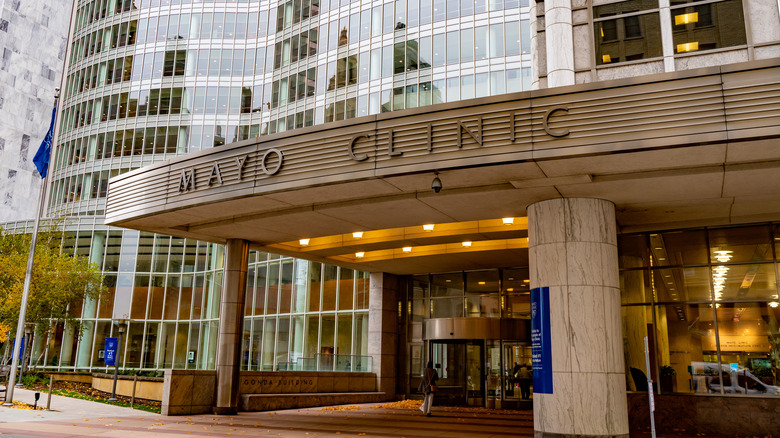
Within the bounds of the Midwest, several states rank amongst the highest in quality of living in comparison to states nationwide. Part of the region's value lies in its access to strong support systems, including healthcare, infrastructure, and environmental safety. Minnesota, Wisconsin, and Iowa, in fact, have some of the highest-quality health care systems, in part due to their strong medical systems.
In particular, Minnesota is home to the Mayo Clinic, one of the world's premier hospitals, making high-quality healthcare accessible to much of the Midwest. This, combined with relatively low obesity rates, leads World Population Review to give Midwest states high marks in a 2025 report on quality of life, with index scores well above 50 on a 40-60 scale.
The natural environment of the Midwest is an additional contributor to the state's quality of life, according to U.S. News & World Report. The environmental quality of the Great Lakes and national forests contributes to the high quality of life associated with Midwest living. Overall, all of these factors add to how the Midwest salary benchmarks contribute to an already highly livable region of the United States.