

The Hidden Drawback Of Tap-To-Pay Isn't What You Think
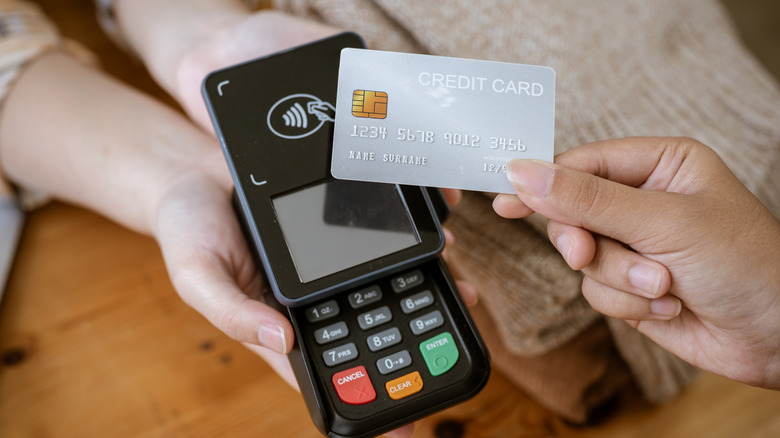
In a world dictated more and more by ease and convenience, the Federal Reserve Bank of Atlanta reports that 72% of American consumers have adopted some form of online payment method to avoid the "hassles" of cash. And even though some say you may want to think twice before paying over the phone for security reasons, the biggest blow that a transition to a cashless economy inflicts falls in a completely different realm: Cash serves as a huge portion of vendors', street performers', and the houseless population's primary means of currency, and the tap-to-pay age is leaving them behind.
As the world approaches a future of digital payment where cash could be completely replaced, it's getting harder for community members without a digital footprint to participate. While cash is considered by many to be the lifeblood of businesses, it is also vital to the entire survival of the unhoused population. Many individuals collect donations on the street, usually relying on the good will of passers-by and the ease of handy paper bills to fund their day-to-day life. For those without the means or documentation to start a bank account — let alone the technological know-how to set up online payment systems — financial assistance via an Apple Pay wallet or similar digital payment method is essentially useless. As cultural anthropologist Ursula Dalinghaus put it to The New York Times, cashless payment creates "enclosed, gated communities" with every transaction by requiring every expenditure or donation to have some tie to a larger corporation or system.
A cashless society harms more people than you might expect
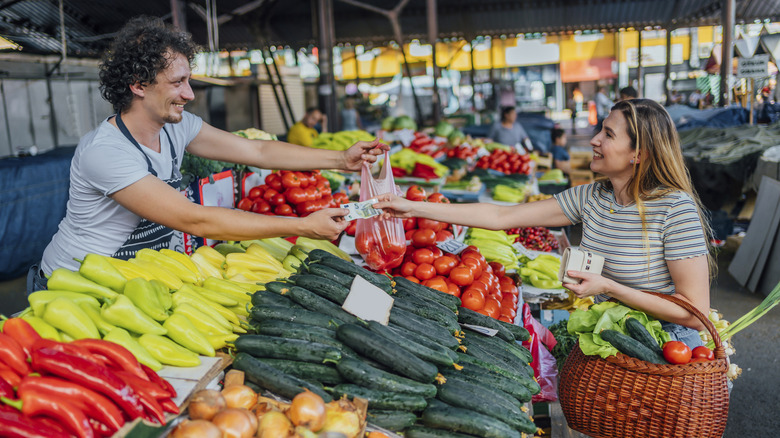
In addition to houseless populations, the street vending and street performing industries are also largely cash-driven. Street vendors, in particular, can easily get overwhelmed arranging different payment methods to satisfy each customer's preference. Apart from the hassle, vendors are also constrained due to lack of time. Running daily operations for juice or fruit stalls can often take up the majority of their day, leaving little time to go through all the banking requirements for installing these applications. Most of the time, vendors without these options end up losing out on customers.
Having said that, even if the energy and time needed to get up to date with these developments are accounted for, certain demographics still find themselves at an inherent disadvantage. 96% of New York street vendors who haven't served in the military are immigrants, per Immigration Research Initiative, many of whom face loads of problems opening up bank accounts or setting up digital wallets — especially if they're undocumented.
Elderly people too can get secluded from the cashless age. Without the technological acumen to keep pace with the changing financial systems, this class of citizen also struggles without the freedom of cash. Then, there are those who simply don't trust in the banking systems, want to avoid paying fees for transferring money, or do not have enough funds to open up an account in the first place. With tap-to-pay on the rise, many people won't have another choice but to go against their instincts if they want to keep up with the world around them.