

The Cost Of Ground Beef In 2000 Will Leave You Doing A Double Take
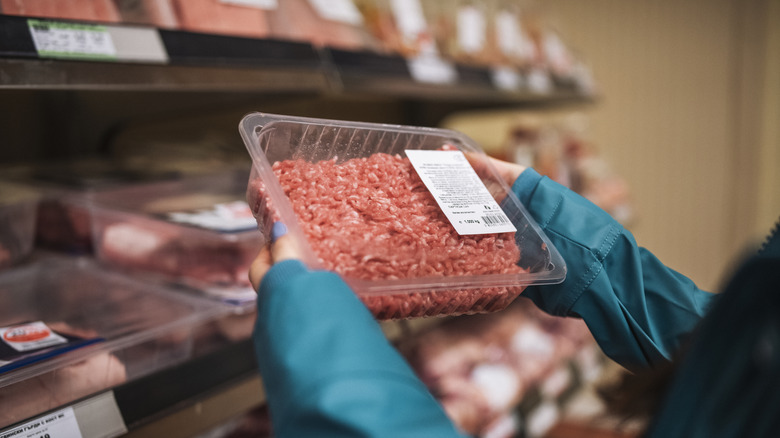
The cost of groceries has undoubtedly increased in the past years, as the average family now spends 10% of their monthly income on their nutritional necessities. But while eggs are usually the go-to example of grocery inflation, ground beef has also seen drastic price increases, which until recently had gone largely unnoticed. According to the Federal Reserve Bank of St Louis, at the start of the year 2000, the average cost for a pound of 100% ground beef was $1.48; but as of September 2025 a pound now averages $6.32.
Based on the regional bank's data, that is a price increase of 327%. Although it is a given that the price of goods will increase over the span of 25 years, cumulative inflation between 2000 and 2025 was roughly 88.14%, according to in2013dollars. While 88.14% inflation also seems high, it works out to an average annual inflation rate of 2.56%, which is only slightly higher than the Federal Reserve's healthy inflation goal of 2%. With the price of ground beef considerably outpacing inflation, it means that there are other factors contributing to the price hikes.
Why the cost of ground beef rose 327%
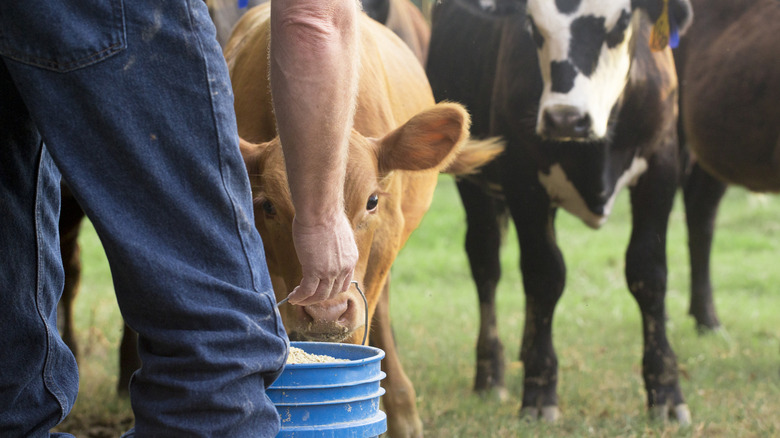
One of the biggest factors driving up the price of beef is the long-term decline of cattle ranchers in the U.S. According to the American Farm Bureau Federation, 2024 saw the lowest number of cattle and calf inventory since 1951. This is likely a result from high industry costs and prolonged droughts, which has led the IRS to provide financial relief for many farmers. Less cattle means lower beef supply, and as result, consumers are paying more as processors and retailers adjust to market conditions. To counter the shrinking supply and price hikes, food distributors and meatpackers have relied on imported beef to supplement the national production, but that has led to some complications in recent months.
According to the USDA, since 2000, imported beef has made up around 11% of beef production, with the majority coming from Canada, Mexico, Brazil, Australia, and New Zealand. However, with the import tariffs imposed by the Trump administration it has become more expensive to import beef, and as such, retailers have passed those expenses to consumers by raising prices. One of the hardest hit countries is Brazil (which has a 40% tariff), but other countries are also paying more to move beef and other products to the U.S., limiting the opportunity to use imported products to curb beef inflation.