

The Payment Method Rick Steves Swears By To Avoid Tourist Scams
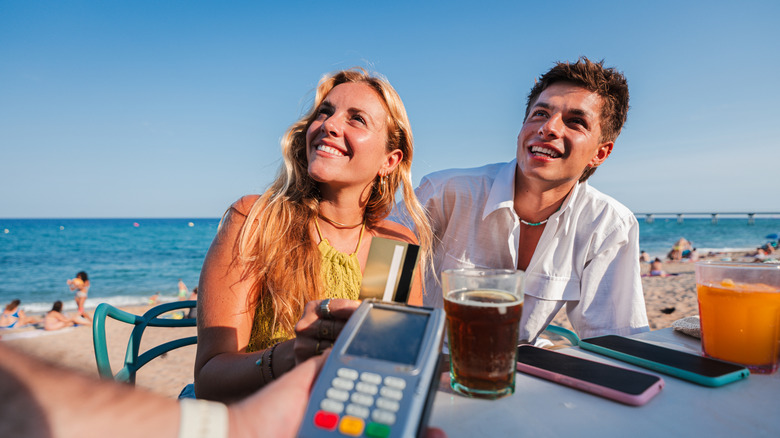
When traveling overseas, the rule of thumb is to carry some local currency for emergencies and small, cash-only purchases. But the unfortunate downside to this habit is that you're more vulnerable to theft and tourist scams. Scammers often take advantage of tourists' unfamiliarity with local currency by entering incorrect amounts into card readers or returning the wrong change. However, ditching the cash altogether for an alternative payment method, like a mobile payment app, can help you avoid many of the tourist scams, says a travel expert.
According to travel writer and expert, Rick Steves, mobile payment apps and the tap-to-pay feature are among the best ways to avoid many tourist payment scams. Many of these scams rely on physical contact, such as exchanging cash or handing over a credit card. The tap-to-pay feature in mobile payment apps allows for contactless payments – where you tap your phone against the terminal. Since you're entering the exact amount yourself and clicking pay, you don't have to worry about counting cash correctly or any sneaky credit card scams.
Steve's tip is especially useful in a time when travel scams are becoming more rampant. In 2025, McAfee's Safer Summer Holidays Travel report found that one in three people were scammed while booking their trips or during them, with a significant number of them losing over $1000. Some of the tourists get their money back, but the most common outcome is having to cancel stolen and compromised cards, which can be more than an inconvenience to replace.
Mobile payment apps help, but they don't make you scam-proof
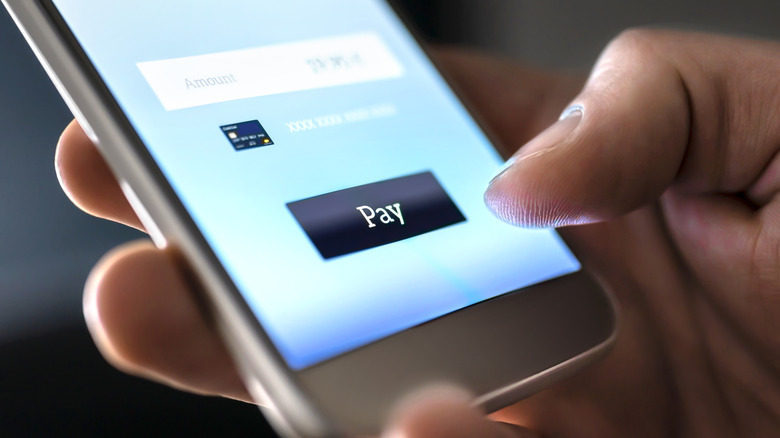
Digital payment apps can give tourists an advantage against common scams such as the switcheroo or slow-counter tactics. However, it's important to note that different countries may rely on platforms other than larger options like PayPal. Whatever the app, you should be linking a low or no-foreign-transaction-fee credit card that also has fraud protection features.
Many people doubt how safe it is to store money in payment apps, but the technical layer of security (encryption and authentication) makes this payment method safer than physical credit cards. However, safer doesn't mean foolproof. Since mobile wallets live on your smartphone, losing your device can create significant security risks. Ideally, your phone should be locked behind a password or PIN, otherwise a person who steals or finds it could access your funds. However, while passwords help, advanced hackers may still bypass basic protections.
A less common scam involves cybercriminals stealing your information when you add your card to a payment app on a public network. A simple way to avoid this one is to download and set up a mobile app before your trip, or on a trusted network when you arrive if you can't download outside the region. Also, since your phone is essentially a mini computer, it can still be corrupted by malware. So, always be careful not to click on suspicious links in texts and emails from unfamiliar addresses.