

US States With The Biggest Tourism Booms In 2024 (A Few Might Surprise You)
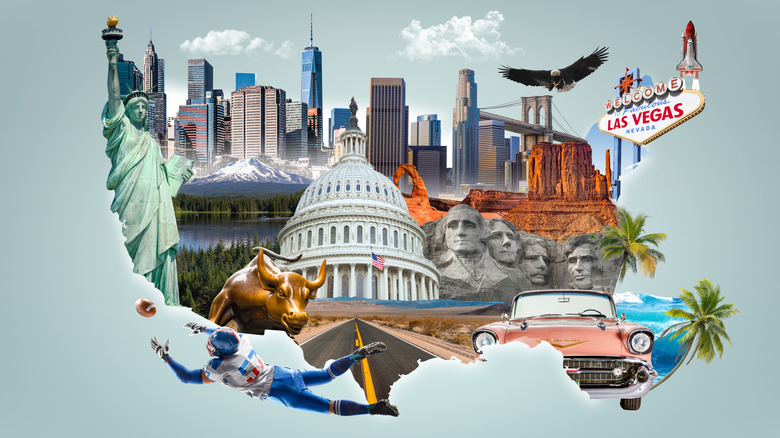
In 2024, approximately 72.4 million international tourists visited the U.S., according to the International Trade Administration, representing a 9.1% increase from 2023. While that number still falls short of the pre‑pandemic peak of 79.8 million in 2018, it marks a strong rebound for America's travel industry. Visitors came from every corner of the globe to experience the country's cities, national parks, beaches, and cultural landmarks, adding billions of dollars to local economies. In addition, IBIS World reported that 720 million domestic trips were taken by Americans in 2024, an all-time high. People traveled for big events like music festivals, sports championships, and family vacations, and they explored everything from bustling cities to quiet small towns.
Altogether, U.S. Travel calculates that tourists spent $1.3 trillion, which produced $2.9 trillion in economic output and supported over 15 million jobs. This is a stark contrast to the pandemic, during which domestic travel dropped by nearly 60% and international travel by over 75%. Since then, families have hit the road for cross‑country adventures, friends have embarked on spontaneous getaways, and social media trends made new destinations famous overnight.
At the same time, global visitors flocked to iconic attractions like the Statue of Liberty, the Grand Canyon, and Walt Disney World. Big names like New York, California, and Florida led the way in terms of total visitors and spending, but 2024 also brought some surprises. States such as Wyoming, Montana, and Tennessee posted some of the fastest growth rates in the country, in part due to their affordability. Their natural beauty, unique culture, and smart marketing helped them compete with the tourism giants. Here are the top states people visited, along with the states that saw the biggest increase in numbers, according to data from the state's tourism departments.
New York

New York remains America's tourism powerhouse. In 2024, the State of New York reportedly welcomed over 315 million visitors, generating $94 billion in spending, $145.2 billion in total economic impact, and $11.4 billion in tax revenue. According to the New York City Mayor's Office, the Big Apple led the country in visitors with nearly 65 million, the second highest figure in the city's history. The city accounted for 63% of visitor spending in the state, mainly due to its world-famous attractions, including Times Square, Broadway, the Statue of Liberty, and the Metropolitan Museum of Art.
Upstate New York also played a major role with visitor spending largest in the Hudson Valley (20%), followed by the Finger Lakes (17%) and Greater Niagara (15%). Niagara Falls remained a top draw for both U.S. and Canadian visitors. Events like the US Open Tennis Championships, New York Fashion Week, and major concerts at Madison Square Garden brought in high-spending crowds.
The Empire State's tourism success stems from its diversity, featuring urban excitement, natural beauty, cultural depth, and a range of year-round events. Not everything in New York has to break the bank, either. The combination of international gateway status and strong domestic travel demand continues to generate significant financial benefits for New York residents and local businesses.
California
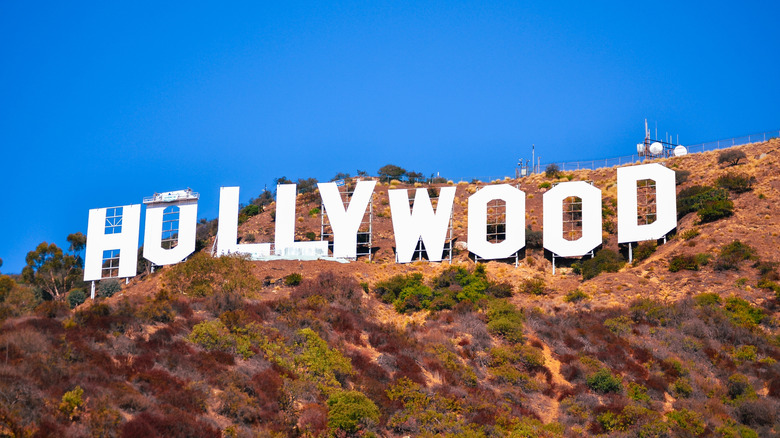
California's tourism industry is as vast as its geography. In 2024, Visit California reports nearly 270 million visitors spent over $156 billion, generating $12.6 billion in taxes and supporting approximately 1.2 million jobs (via Travel Matters). Los Angeles remains a magnet for entertainment tourism, with Hollywood, theme parks like Universal Studios and Disneyland, as well as beaches from Santa Monica to Malibu. San Francisco draws visitors to the Golden Gate Bridge, Alcatraz Island, and its vibrant food scene. San Diego offers family-friendly attractions, such as the San Diego Zoo and SeaWorld, along with year-round beach weather.
The Golden State's natural attractions are just as popular. Yosemite National Park, Sequoia National Park, and Death Valley offer world-class hiking and photography opportunities. The Napa Valley and Sonoma County wine regions continue to attract luxury travelers. Visitors also flocked to events like Coachella, Comic-Con International, and major sports championships. California's tourism strategy blends global marketing with local experiences, appealing to both international visitors and domestic travelers seeking variety.
Beyond its marquee destinations, California's smaller regions also benefited. The Central Coast drew travelers to Monterey Bay, Big Sur, and Hearst Castle, while the Shasta Cascade and High Sierra regions attracted outdoor adventurers seeking lakes, forests, and ski slopes. Inland cities like Sacramento and Palm Springs offer a unique blend of history, culture, and desert escapes. With its unmatched diversity of landscapes, climates, and experiences, California remains the nation's most versatile tourism destination — one that continues to set records while shaping global travel trends.
Florida

Florida's tourism industry hit record highs in 2024, securing its place as one of the world's most visited destinations. Visit Florida reports 143 million visitors came to the area, and the Florida Governor's Office estimates they spent $133 billion in the Sunshine State. Of these, 130.7 million were domestic travelers, while 12.3 million came from Canada and other international countries. Tourism generated $33.6 billion in local tax revenue and supported 1.8 million jobs.
Central Florida, home to Orlando — the "theme park capital of the world" — drew more than 75 million tourists on its own with Disney World, Universal Orlando Resort, and SeaWorld as the city's main attractions (via Visit Orlando). Orange County recorded a total economic impact from tourism in 2024. Visitors spent $59.9 billion directly, with an additional $34.6 billion generated through suppliers and local household spending tied to tourism. This activity supported more than 468,000 jobs in Central Florida and produced almost $13 billion in federal, state, and local tax revenue.
Florida's appeal comes from its variety. Domestic visitors most often enjoy beach and waterfront activities, dining, and shopping. Overseas visitors rank shopping, sightseeing, and theme parks as their top activities. Cruise ports like Miami and Port Canaveral add another layer of strength, while destinations such as Miami Beach, the Florida Keys, the Everglades, and Gulf Coast beaches consistently attract high visitor numbers year after year.
Texas

Texas welcomed a record 62 million visitors from across the United States and around the world in 2024, per the Governor's Office. Meanwhile, another 67 million Texans took overnight trips within the state, exploring its cities, small towns, and natural attractions. Together, these travelers spent $97.5 billion, fueling an overall economic impact of $199.5 billion and supporting 1.3 million jobs. Tourism generated $9.2 billion in state and local tax revenue.
Texas' "natural beauty, rich history, and true Texas hospitality" are reasons visitors visit the Lone Star State and keep coming back. Austin leads the way with its live music scene, tech conferences, and festivals like South by Southwest (SXSW). Dallas and Houston attracted convention-goers, sports fans, and food enthusiasts. The state's cultural festivals, from the Houston Livestock Show and Rodeo to Fiesta San Antonio, also draw millions. The Alamo, located in the heart of San Antonio, is one of America's most iconic historic landmarks and a symbol of Texas independence.
Texas also benefits from road trip tourism, with travelers exploring the Hill Country, Big Bend National Park, and Gulf Coast beaches. International visitors are drawn to Texas's blend of Western heritage and modern city life. The state's marketing campaigns emphasize its diversity — from cowboy culture to cutting-edge art — helping it secure a top spot in tourism spending. Beyond the well-known places, smaller destinations like Marfa, Fredericksburg, and Galveston showcase Texas's creative energy, wine country, and coastal charm. With its sheer size, cultural variety, and year‑round events, Texas continues to position itself as one of America's most popular tourist destinations.
Nevada

In 2024, Travel Nevada reports 52.4 million visitors flocked to the Silver State, with the Las Vegas Convention and Visitors Authority reporting that Las Vegas was the destination of 41.7 million of them. Visitors directly spent $58.5 billion, which in turn generated a record $100 billion in total economic impact, per the Nevada Resort Association, equal to 37% of Nevada's gross domestic product. Tourism supported 436,600 jobs, or 28% of the state's workforce, and gaming revenue alone totaled $15.8 billion.
Las Vegas remains the state's tourism engine, offering world‑class entertainment, gaming, dining, and shopping. Major events, concerts, and sports — including Formula 1, NFL games, and headline residencies — kept demand high. Downtown Las Vegas continued to draw more than half of all visitors, while the Strip's resorts saw strong occupancy and room rates.
Beyond Las Vegas, Nevada offers a wide range of attractions. Reno‑Tahoe draws skiers, lake enthusiasts, and outdoor adventurers. The Hoover Dam remains one of America's most iconic engineering landmarks. Natural wonders like Valley of Fire State Park, Red Rock Canyon, and Great Basin National Park showcase the state's red‑rock landscapes and unique ecosystems. Rural Nevada adds another layer of appeal with ghost towns, wide‑open desert scenery, and scenic byways that make it a favorite for road‑trippers.
North Carolina
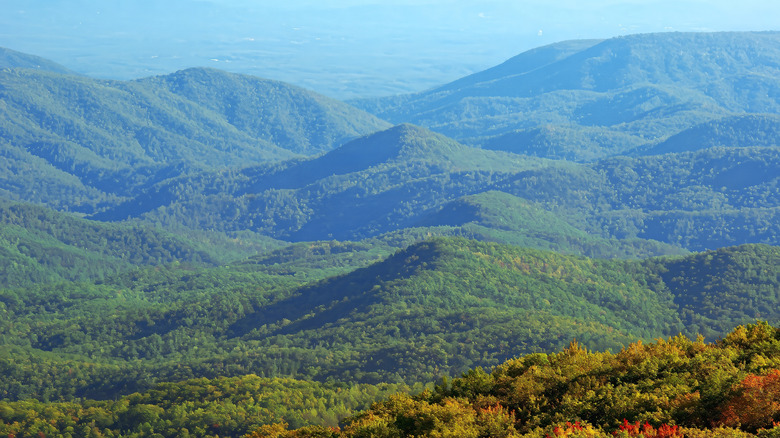
North Carolina saw record-breaking tourism in 2024. Visit N.C. reports North Carolina saw over 40 million travelers — including about 900,000 international visitors, according to the North Carolina Department of Commerce — who spent upwards of $36.7 billion. All told, the Tar Heel State ranked as the No. 5 most visited state in the nation for domestic travel. This achievement came despite the devastating impact of Hurricane Helene, the deadliest storm to strike the U.S. mainland in nearly two decades.
International travel also rebounded strongly. Spending by international visitors rose 16.5% to nearly $1.2 billion, reflecting growing demand from overseas markets. Overall, tourism supported 230,338 jobs statewide and generated nearly $2.7 billion in state and local tax revenue. The state's appeal lies in its diversity. The Outer Banks and Crystal Coast remained premier beach destinations, while the Blue Ridge Parkway and Great Smoky Mountains drew millions of outdoor enthusiasts. Asheville continued to thrive as a cultural hub, known for its arts, food, and craft breweries. Meanwhile, Charlotte and the Research Triangle cities (Raleigh, Durham, Chapel Hill) attracted business travelers, sports fans, and convention attendees.
From mountain hikes to coastal getaways, North Carolina offers something for every type of traveler. Seasonal festivals, sporting events, and cultural programming helped sustain strong visitation year‑round. With its coast‑to‑mountains variety and welcoming communities, North Carolina remains one of the most attractive and resilient destinations in the United States.
Virginia

Virginia's tourism industry reached new heights in 2024, with the Virginia Tourism Corporation reporting it saw 114.5 million visitors spending $35.1 billion statewide. Tourism supported 328,365 jobs and generated $3.3 billion in state and local tax revenue, helping fund schools, infrastructure, and community services. The state's historic attractions — Colonial Williamsburg, Jamestown, and Civil War battlefields — are popular with domestic and international travelers. The Shenandoah Valley and Blue Ridge Mountains offer hiking, wine country, and scenic drives, while Virginia Beach and the Chesapeake Bay provide family‑friendly coastal vacations.
Urban centers like Richmond, Norfolk, and Northern Virginia add cultural depth with their museums, dining options, and festivals. Virginia's wine and craft beverage industry continues to grow, drawing weekend travelers from across the Mid‑Atlantic. Seasonal events and outdoor recreation helped spread visitation throughout the year.
Virginia's long‑running "Virginia is for Lovers" campaign continues to resonate, appealing to travelers seeking history, romance, outdoor adventure, and family fun. With its diverse offerings and strong infrastructure, Virginia remains one of the most balanced and competitive tourism destinations in the U.S.
Tennessee

Tennessee was another state to set a new record in 2024, welcoming 147 million visitors and generating $31.7 billion in direct visitor spending, per the Department of Tourist Development. Tourism supported nearly 195,000 jobs statewide and produced $3.3 billion in state and local tax revenue. International travel also surged, with spending by overseas visitors rising 12% year‑over‑year.
The Great Smoky Mountains National Park is the state's top attraction, drawing millions for hiking, camping, and scenic drives. Nashville, celebrated worldwide as "Music City," is known for its live music venues, recording studios, and festivals. Memphis, the birthplace of blues and rock 'n' roll, offers cultural depth with Graceland, Beale Street, and museums such as the Stax Museum of American Soul Music and the National Civil Rights Museum. Cities like Chattanooga and Knoxville added family‑friendly attractions, aquariums, and revitalized riverfronts.
Events play a major role in Tennessee's success. The CMA Music Festival, Bonnaroo Music and Arts Festival, and major sports tournaments attract high‑spending visitors. Road trips across the state highlight barbecue trails, whiskey distilleries, and small‑town festivals, reinforcing Tennessee's reputation for authentic, affordable experiences. Blending natural beauty, cultural richness, and strong branding around music, mountains, and heritage, Tennessee has positioned itself as one of the fastest‑growing tourism states in the nation.
Montana
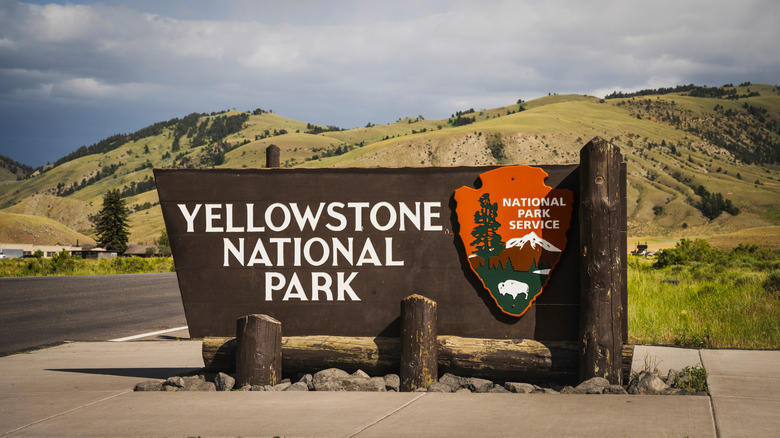
Research by the University of Montana found that Montana welcomed 13.7 million visitors in 2024, the highest total in state history up to that point. That was 1.2 million visitors more than the 2023 study reported, representing a nearly 10% increase. Tourism generated about $5.0 billion in direct visitor spending and supported 38,240 jobs across the state. The industry's overall contribution to Montana's economy exceeded $6.1 billion, underscoring its role as one of the state's largest and fastest‑growing sectors.
The state's two crown jewels — Yellowstone National Park and Glacier National Park — remained the biggest draws. Yellowstone welcomed 4.7 million visitors (+5%), while Glacier saw 3.2 million (+9%). Both parks recorded their second‑highest visitation totals ever, serving as anchors of Montana's outdoor economy and important lifelines for surrounding communities. Montana's appeal lies in its wide‑open spaces and authentic Western lifestyle. Surveys show 67% of visitors came for the mountains and forests, 48% for uncrowded open spaces, 47% for Yellowstone, 44% for rivers, and 44% for Glacier National Park. Top activities included scenic driving, day hiking, and wildlife watching, with many travelers also enjoying fishing, skiing, ranch stays, and small‑town heritage sites.
The Bureau of Economic Analysis reports outdoor recreation accounts for 4.9% of Montana's economy, the third‑highest share of any state. As part of Rocky Mountain International (RMI), Montana partners with Wyoming, Idaho, North Dakota, and South Dakota to promote the region abroad, ensuring its landscapes and culture continue to attract visitors from around the world.
Wyoming

Travel Wyoming reports the state welcomed 8.8 million visitors in 2024, and they spent $4.9 billion over the course of the year. Tourism generated $278 million in state and local tax revenue, a 4.7% increase. It supported 33,610 jobs across the state, which was surely a relief to locals as Cowboy State Daily reports tourism became Montana's top source of employment the previous year.
The Great Yellowstone region and Grand Teton National Park remain the most popular destinations, attracting millions of domestic and international travelers. Towns like Jackson and Cody offered Western culture, museums, and rodeos that complemented the state's natural wonders. Outdoor recreation is the backbone of Wyoming's tourism economy. According to Travel and Tour World, the Cowboy State, also known as the Equality State, has claimed the title of America's ultimate hiking destination, surpassing renowned spots like Hawaii and Vermont. Its vast wilderness, pristine landscapes, and well-maintained trails make it the top choice for US adventurers seeking the perfect outdoor experience. Visitors come for hiking, fishing, wildlife viewing, skiing, and scenic drives.
Road trips across the state's wide‑open landscapes remain popular, with travelers stopping at hot springs, historic trails, and small‑town festivals. Seasonal events and winter sports helped extend visitation beyond the summer peak, spreading economic benefits more evenly throughout the year. Wyoming's tourism strategy highlighted the state's rugged beauty and Western heritage, while investments in gateway communities improved visitor services. With its combination of iconic national parks and small‑town hospitality, Wyoming continues to thrive as a destination for travelers seeking open spaces and memorable outdoor experiences.